
facts-about-germs

10 Facts About Germs You Should Know

People miss 50 million days of work every year because of colds. See the period at the end of that sentence? One thousand germs could fit on it. Germs are tiny, troublesome, and everywhere.

This blog post will explain some of the most germ-infested items and places to avoid. Then I’ll tell you some best practices for keeping yourself healthy and making your space clean. And for janitorial services that rid your workplace of bacteria without using toxic chemicals, get in touch with us here at Cascade Building Services!

1. Never touch escalator handrails

In movie theaters, shopping malls, and other places, people cough or sneeze on their hand and then touch the escalator. You know what that means. “We have found food, E. coli, urine, mucus, feces, and blood on escalator handrails,” Dr. Gerba told Health.

Other germy public places include grocery carts, lemon slices, ketchup bottles, and restaurant menus. In restaurants, wash your hands after the server takes your menu back, and never let it touch your silverware, advises Prevention.

2. Your kitchen sink is dirtier than your toilet

“Get your mind out of the toilet,” the saying goes, but “Get your brain out of the kitchen sink” would be more accurate. According to CBS, “Your kitchen sink contains 100,000 times more germs than your toilet.”

kitchen sink washing sponge germs

Your toilet isn’t even one of the 10 germiest places in your home! In fact, the only extremely germy location in the bathroom is the toothbrush holder, due to its proximity to the toilet (and that people are more vigilant about toilet cleaning). The 10 dirtiest places in your home are as follows:

  1. Sponges and dish rags
  2. Kitchen sinks
  3. Toothbrush holders
  4. Pet bowls
  5. Coffee makers
  6. Faucet handles
  7. Pet toys
  8. Kitchen counters
  9. Stove knobs
  10. Cutting boards


3. Shaking off washable rugs, bed linens, and towels actually spreads germs

When you’re about to change the sheets or towels, sometimes people shake them out, knowing they’ll vacuum later. Except those germs, dirt, hairs, and flakes of skin go everywhere. Throw them right in the wash instead, or shake them off outside. This is especially true for bath mats, which live on the notoriously filthy bathroom floor. (Bonus tip: Don’t wash your bath mat, towels, or sheets with the rest of your clothes.)

4. You’re 100 times more likely to catch a cold on a plane

When hundreds of people sit close together in a confined space for hours on end, you end up sharing more than pleasant chit-chat. Almost everywhere in an airplane bathroom is teeming with bacteria. Even when you’re seated, you’re vulnerable to other passengers’ germs. Germs from a sneeze can travel 13 feet! Watch out if someone in front of you sneezes — here’s where those particles go on a plane:

germs sneeze airplane

Source: YouTube

Drink green tea, get enough sleep, and take other steps to boost your immune system before and after flying to stay healthy.

5. 1 in 6 men don’t wash their hands after using the restroom

More women wash their hands after using the bathroom compared to men (about 93% compared to roughly 85%). But the scariest part is that even though people wash their hands, 95% of people don’t do it correctly. You should lather up with soap and scrub for 15 to 20 seconds, which is as long as it takes you to sing “Happy Birthday” twice. But most people only wash their hands for 6 seconds. If you need motivation to scrub your hands for longer than a few seconds, keep in mind that 1 in 4 bathroom soap dispensers has fecal bacteria on it. Yuck.

6. Drinking fountains are the germiest places in schools

School drinking fountains have 800 times as many germs as school toilet seats! After drinking fountains, here are the dirtiest places in schools, in order: lunch trays, faucets, cafeteria plates, and computer keyboards. All of which are germier than school toilet seats. Keep a reusable water bottle with you instead.

7. 1 in 5 office coffee mugs are tainted with fecal bacteria

Your desk at work is dirtier than the office toilet — every square inch has about 21,000 germs. Women’s Health says you should clean your workspace with a disinfecting wipe every day. Shared items like office coffee mugs and PowerPoint remotes are also huge germ magnets. Dr. Charles Gerba, a University of Arizona microbiologist, told Women’s Health, “About 20 percent of the office cups contain coliform bacteria, which is related to fecal contamination.” Use a designated mug every day and wash it frequently with soap and hot water.

work station computer keyboard

8. Antibacterial soap isn’t any better than normal soap

You may feel safer and cleaner, but antibacterial soap isn’t any more effective at killing bacteria than plain ol’ regular soap. In fact, antibacterial soap can make your family resistant to antibiotics and superbugs. It can even contain triclosan, which can harm your endocrine system. Stick to the normal stuff.

9. Cell phones are 18 times dirtier than toilet handles

We’re constantly touching our phones — in fact, 75% of Americans use their phone in the bathroom! And yet no one thinks of washing their hands after using their phone (or cleaning the phone itself). So it’s not surprising that one in six cell phones has E. coli bacteria on it. To keep that iPhone from becoming an iGross, turn your phone off once a week and clean it with an antibacterial wipe.

iphone hand germs

10. The dirtiest key on an ATM pad is the Enter button

Researchers have found E. coli and flu viruses on ATM keypads, especially the “Enter” button, since it’s unavoidable. To keep germs away, use your knuckle instead, since it’s rarer to touch your face with your knuckles than the tip of your finger.

How to Kill Germs

Thoroughly grossed out? There’s hope. Wash your hands constantly, just not with antibacterial soap. UC Berkeley says this is when you should wash your hands:

  • Before a meal
  • Before and after you touch food (especially raw meat)
  • Before putting in contacts
  • After using the restroom
  • After you sneeze, cough, or blow your nose


And every week, use a bleach-free disinfecting wipe that contains alcohol to clean these commonly overlooked items: stove knobs, the kitchen sink, your toothbrush holder, computer keyboards, remotes, phones, and light switches. (With electronics, be especially careful not to get them wet with excess moisture.)

Or throw some of these things right in the dishwasher, like your kitchen sink strainer, toothbrush holder, refrigerator shelves, kitchen brushes, the soap dish, plastic kids’ toys, and some pet toys. Microwave sponges once a day for 2 minutes to kill germs.

But most of all, try not to freak out too much. Once you’ve done your best to be sanitary, accept that some contact with germs is inevitable.

For first-class janitorial services to keep your office clean and healthy, contact us at Cascade Building Services.


First Photo Source: Andy Bullock


darrenAbout the author Darren

Darren is the owner of Cascade Building Services. He earned his Bachelor of Science Degree at Lewis and Clark University. He used to work in sales for General Mills. In his spare time, you can find him in the great outdoors camping and boating.

how to choose office plants

How To Choose Office Plants

Indoor plants can beautify any office space. They even purify the air, creating a cleaner, healthier environment. Believe it or not, there’s evidence that indoor plants can actually make you happier too.

Unfortunately, some plants require more upkeep than others, and not every plant is suited to every office environment. How do you know which plants are right your office? It really depends on 3 factors:

  1. How much sunlight they’ll be exposed to (if any)
  2. How much maintenance you want to take on
  3. Whether you care about air purification or just appearance

Based on your unique situation and office conditions, let’s look at a few great options for office plants.

Best Plants for Offices with Little or No Natural Light

Office spaces without much natural light can really benefit from a little greenery! In fact, those offices may be the ones that need indoor plants the most. These lovely green plants thrive in darker conditions:

English Ivy

Photo: Derek Ramsey

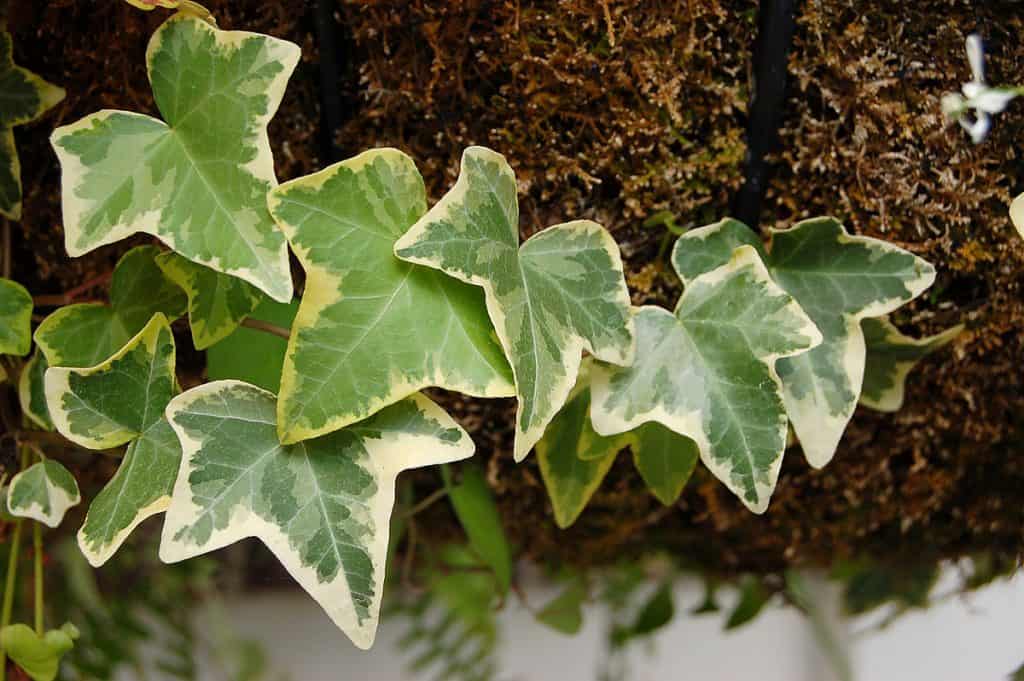
Hedera helix (a.k.a. English Ivy) is easy to grow in almost any environment. It thrives in full shade but doesn’t mind some sunlight either. It purifies the air too. Studies have shown that it reduces mold, which helps everyone breathe easier — especially anyone with allergies.

English ivy looks great hanging in baskets or climbing up a trellis or pole. English ivy grows well in moist conditions, but it doesn’t like to sit in standing water or overly wet soil either, so be careful not to over-water.

Snake Plant

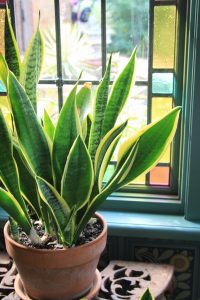
The snake plant may just be the perfect indoor plant. Sansevieria is one of the toughest and most tolerant plants you’ll ever find. It usually won’t wither even after being neglected for weeks at a time. It also doesn’t need much light or water.

Snake plants are also one of your best bets for air purification. They’re great for getting rid of toxins like formaldehyde and benzene.

Photo: Rhonda Fleming Hayes

Lemon Balm

Photo: color line

Lemon balm, or melissa officinalis, is a very versatile plant. It will grow in almost any soil and, though it prefers some sunlight, can survive happily in shade too. It’s very low maintenance, and experts recommend you don’t fertilize your lemon balm plant. Don’t forget to water it though!

As a bonus, lemon balm leaves produce a sweet lemon scent that will help freshen up your office in no time.

Spider Plant

Photo: David B. Gleason

Can you see why chlorophytum comosum has been nicknamed “the spider plant”?

This is another versatile option if you need a tough plant for a dark office. The spider plant does like some indirect light, but full-on bright sunlight isn’t necessary. These plants are easy to grow and hard to kill. Just make sure to let them dry out a bit between waterings.

They look great in a pot or hanging in a basket.

Best Indoor Plants for Sunny Spots

If you have a nice spot by the window for your plant, you might want something that thrives in natural light. Luckily, sun-loving plants are easy to find! Here are a few to consider:

Succulents and Cacti

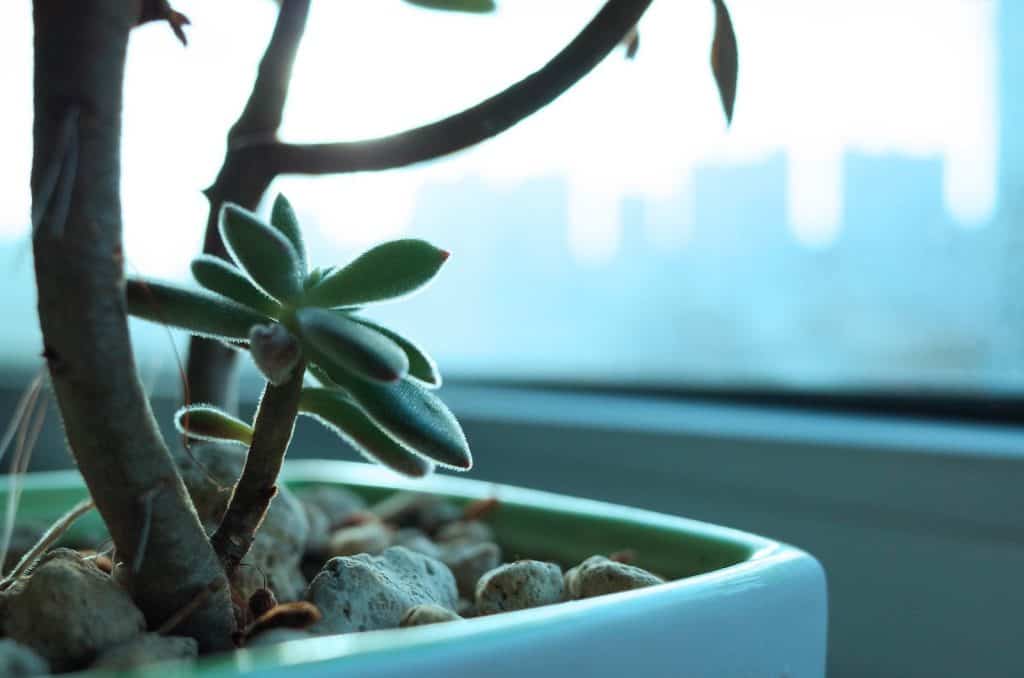
Cacti and other succulents are great because they require sunlight and not much else. They aren’t your best option for air filtration, but you only need to water them a tiny bit about once a week. There are many different kinds of cacti and succulents available. Jade is one of the most beautiful and most resilient.

Rubber Tree Plant

Photo: Maja Dumat

Rubber tree plants (ficus elastica) are great for removing indoor air pollutants, but they do require the right conditions. Indoor rubber tree plants need bright, and indirect light that isn’t too hot. You might want to place it near a window with sheer curtains, for example.

Experts also recommend you water your rubber tree plant more during growing season and less during the dormant season.

Great Indoor Plants for Reducing Pollutants

Several of the plants we’ve already covered are great for air filtration: English ivy, snake plants, spider plants, and rubber tree plants. Here are a few more:

Peace Lily

Photo: Tahmid Munaz

Chances are you’ve seen the peace lily in office buildings, waiting rooms, and hotel lobbies. That’s because spathiphyllum is beautiful, extremely resilient, and doesn’t need much water or direct light. To make sure it thrives, keep it in loose, rich soil and water every few days as necessary.

Did you know the peace lily is also one of the best plants for ridding your office of toxic agents like benzene, formaldehyde, trichloroethylene, xylene, toluene, and ammonia? It’s truly one of the best air-filtering plants out there.

Philodendron

Photo: Cliff

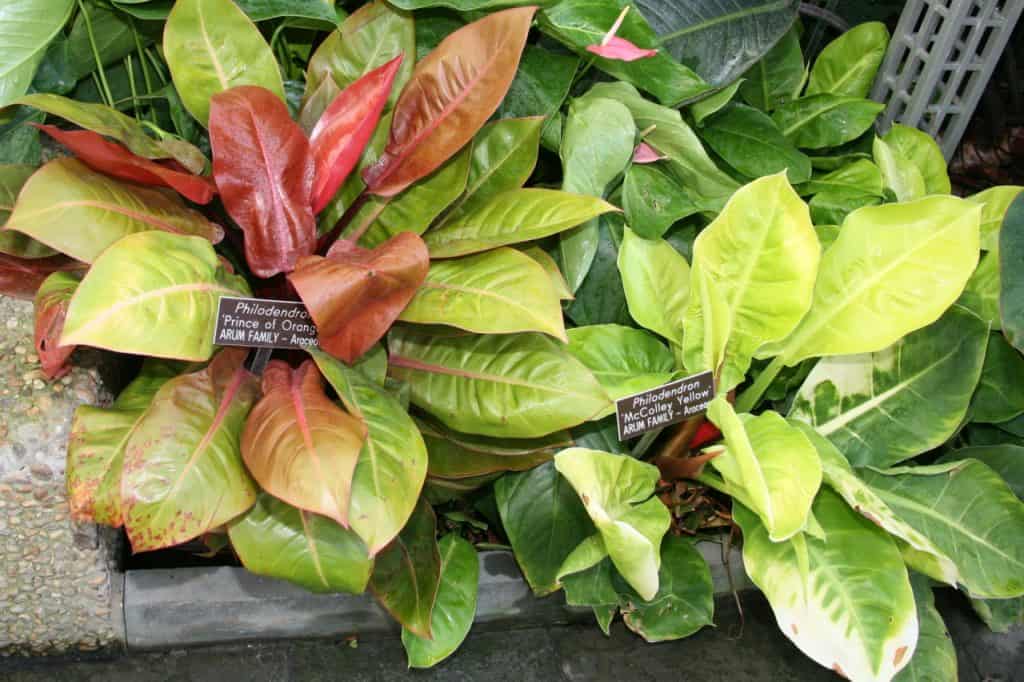
This leafy green plant is extremely resilient and one of the best options for removing carbon dioxide and formaldehyde from the air. Studies show it can improve your cognitive function and focus at work.

Dracaena

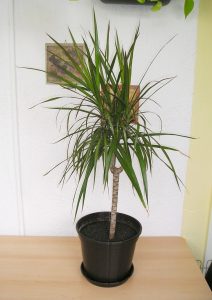
Dracaena plants are another great option for cleaning your office’s air of pollutants like benzene, formaldehyde, trichloroethylene, and more.

Just make sure you look into the different varieties of dracaena before you make a purchase — some types are small and others can grow quite large.

Photo: Maja Dumat

Best Indoor Plants for Very Small Spaces

When space is an issue, you need plants that don’t take up too much room and won’t grow out of control. Or maybe people want small plants for individual desks, cubicles, or offices.

Air Plants

Photo: amy gizienski

Air plants are the ultimate low maintenance plant. They don’t need soil to grow, and you don’t need to water them — just mist them a few times per week! You can display them on rocks in jars, wine glasses, or terrariums (like the one above). They do need to be open to the air, though. The tillandsia is a great, durable option.

Water Lettuce

Photo: Scot Nelson

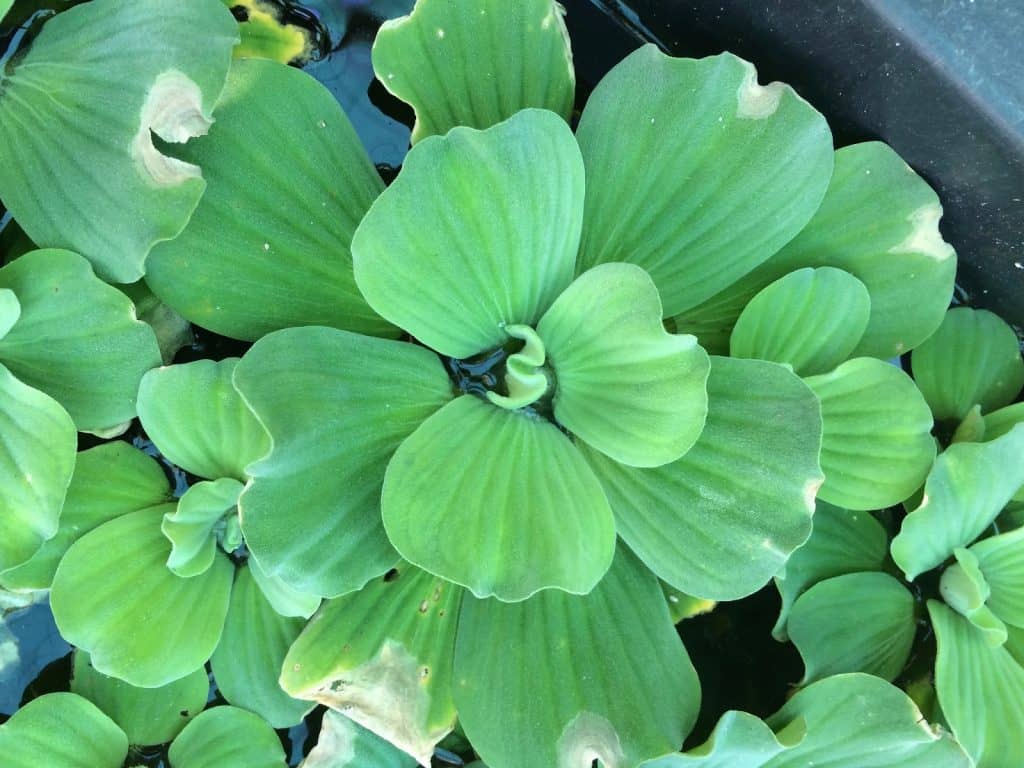
Pistia stratiotes, commonly called water lettuce, is another small plant that doesn’t need soil. As you might have guessed from its name, this plant loves water. It’s easy to grow floating in a vase or even in an open bowl with some decorative accessories.

African Violet

Photo: Wildfeuer

African violets (saintpaulia) are small, cute, and colorful — a wonderful option if you don’t have much space. They do need to be exposed to light and moisture to grow. To make sure your African violet gets the right amount of water, you might consider a self-watering planter pot.

Tips for Placing Plants

Where your place your plants can be just as important as which plants you choose. For example, if air purification is one of your goals, your best bet is to place several plants throughout the office. Back in the 80s, NASA did a study on air-filtering plants as a way to help keep the air in space stations clean. They found that efficient air cleaning is best accomplished with at least one plant per 100 square feet of space.

A few other tips to keep in mind:

  • Airflow is important for most plants. Give your plants plenty of “breathing room.”
  • Most plants prefer higher humidity than you’ll find in most offices. Keep them away from heaters and radiators.
  • If you turn down the heat or air conditioner on weekends, your plant may require a little extra care on Fridays before you leave.

Soon your office’s air will be as fresh as the outdoors! But what about the rest of your space? Get in touch with Cascade Building Services for janitorial and other commercial cleaning services in Portland. We’ll even use eco-friendly products so your plants stay healthy!