

paper in garbage recycle

How to Encourage Recycling at Work

Want to get on track with recycling at your business?

Various metro areas and counties in and around Portland require businesses to meet certain recycling requirements. But following those requirements isn’t always easy for people who are busy helping customers and running their business.

Even the best-intentioned office recycling initiatives sometimes fail.

If you want to meet your area’s recycling requirements and do your part to help the environment, this post can help. We’ll look at the main reasons why many recycling plans fail. Then I’ll tell you how to set up a recycling system that will work for your business.

What Are Your Recycling Requirements?

Each area has its own recycling regulations for businesses. For example, the Portland metro area explains it’s recycling requirements here. And you’ll find Washington County’s similar recycling requirements here. A quick Google search should turn up results for other areas.

Here’s a helpful guide showing what to recycle and how. It’s for Portland, but it’s a helpful resource for pretty much any Greater Portland area business.

Most areas that have business recycling requirements expect businesses to:
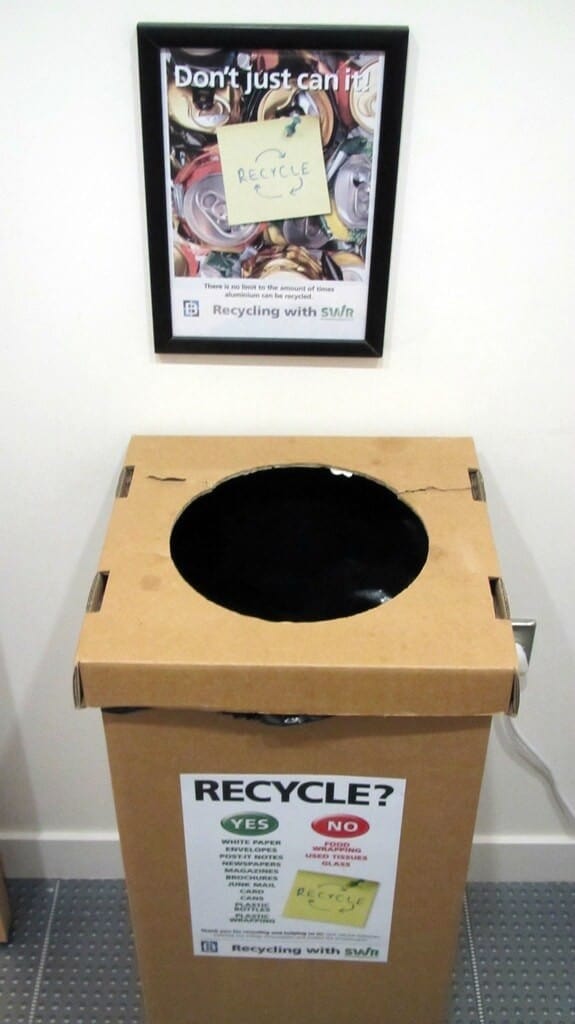
recycling-bin-office

    1. Give employees the opportunity to recycle
    2. Recycle paper and containers (i.e. metal cans, plastic bottles and tubs, and glass bottles and jars)
    3. Sort and separate recyclables correctly (glass is almost always collected separately from other recyclables)
    4. Set out materials for recycling collection

If that sounds a bit overwhelming, don’t worry. Almost every city and county lists a help number on its website, where you can get your questions answered. I’ll also give you a list of more resources to help you at the end of this post.

Sometimes, it’s easier and more cost effective to hire a company that offers commercial recycling services to manage your recycling program. For example, at Cascade Building Services, we know all the regulations and can keep everything running efficiently.

Contact us to learn more, or keep reading for our tips on how to manage your recycling program on your own.

Getting Started: the Logistics

It’s important to know where you’re starting from. Especially if you’re a large or medium-sized company, getting everyone on track can require a bit more planning and coordination. Before you start a recycling plan, find out…

  1. How much is the business currently wasting?
  2. How much of that is paper? Plastic? Metal? Glass? (For most businesses, paper is by far the biggest culprit.)
  3. How much of that waste do you think you can realistically expect to recycle over the next year (or whatever timeframe makes sense for your business)?

Answering those questions will help you figure out what resources you need to make your recycling plan work. If you’re not sure where to start, talk to your janitorial service. They probably have a good sense for your recycling needs already.

You’ll also probably need to contract with a recycling hauler in your area to arrange regular pickups.
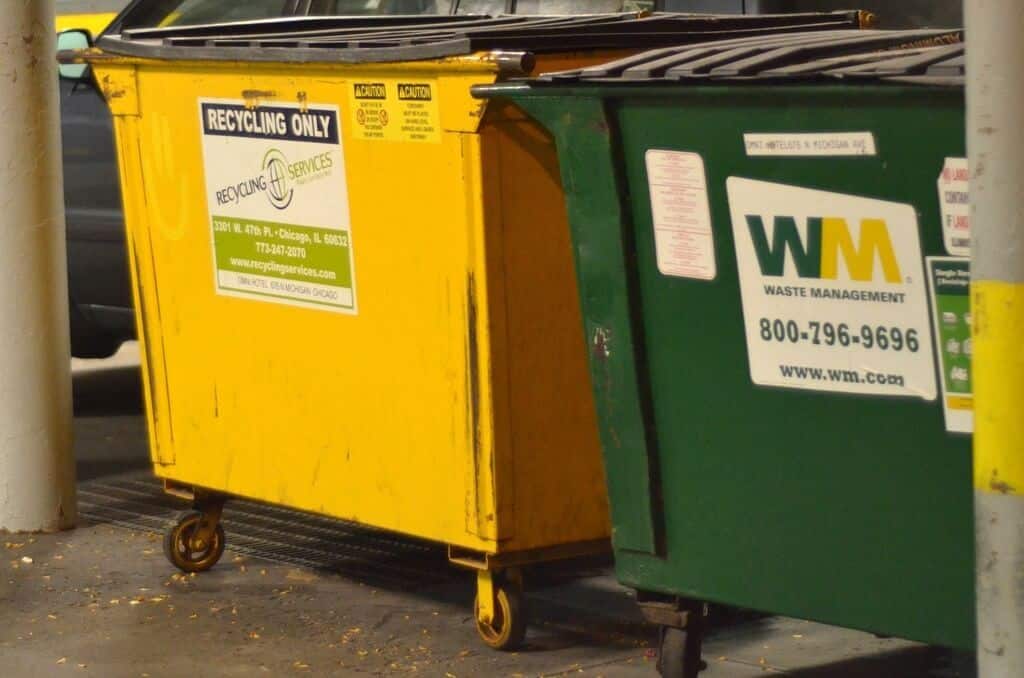
recycling-pick-up

Photo: atramos

Encourage Your Employees to Recycle

Why is it so hard to get people to recycle?

Despite the fact that recycling can reduce your trash bill and help the environment, businesses still send over 100,000 tons of recyclable paper and containers into landfills in an average year. Why is that?

People usually turn to the trash can when…

  1. There’s no recycling box nearby
  2. They aren’t sure what can be recycled and what can’t

That’s why it’s not enough to just convince people that recycling is important. You have to make recycling easy — so easy there’s no reason not to do it.

Once recycling is easy, it becomes a habit instead of a chore.

Have Enough Recycling Receptacles

The goal is to make it just as easy to recycle as to throw something away. That means making recycling boxes as easily accessible as your garbage cans. Depending on how much paper recycling your company generates, that might mean having a recycling box next to every garbage can. If you work in Portland, you can order free recycling boxes here.

Make sure you have paper recycling containers:

  • Near printers and copy machines
  • Near areas with a lot of desks

Consider putting aluminum and plastic recycling containers:

  • In the lunchroom
  • Close to vending machines

Show What Can Be Recycled and Where

recycling containers psu portland

Photo: Samuel Mann

When it’s not clear whether something is recyclable or not, many people’s first instinct is to toss it in the trash.

Make it easier for your employees by placing posters above recycling receptacles that show what should go in each one and what shouldn’t.

Lead by Example

If you and other company leaders make a point to recycle, it makes it easier for everyone else to follow your example. That’s why it’s so important for larger companies to get leaders from each department on board to make sure the recycling process is running smoothly in each department.

Make it Fun

There are some pretty mind-blowing statistics about recycling out there. Hearing them can make recycling fun. It also helps people see exactly where they are making a difference when they throw those papers in the recycling instead of the trash.

Here are a few:

  • Recycling one ton of paper saves about 17 trees.
  • You could power a computer for  three hours with the energy you save from recycling one aluminum can.
  • Recycling aluminum requires 95% less energy than processing new aluminum.
  • Recycling one plastic bottle can save enough energy to light a 60W bulb for up to six hours.

Why not put together a list of fun recycling facts and turn it into a company-wide email or even a bathroom poster?

You might even call attention to certain recyclable items you know people use a lot. Did you know you can recycle a Starbucks cup, lid and all?

recycle starbucks cup garbage bin

Photo: Krystian Olszanski

Resources to Encourage Recycling

Putting together a successful recycling plan can seem complicated, but it doesn’t have to be. As promised, here are a few resources you can use to learn more about recycling regulations in your area and how you can encourage recycling at work in an easy, cost-effective way:

  • Recycle at Work — Find all kinds of tips and resources, and arrange for a specialist to come to your business for free to help you get started.
  • Free printable posters — Portland businesses can print these and place them near recycling receptacles to help employees out (available in Spanish and other languages).
  • How Do I Recycle? Common Recyclables – Not sure how to recycle weird materials like batteries, used oil, or light bulbs? Check out this resource from the EPA.

I hope this post helps you encourage more recycling at your business! If you’d like to know more about how we can manage your recycling program, or just have more questions, get in touch!


Photos: Sebastien Wiertz, Kai Hendry

facts-about-germs

10 Facts About Germs You Should Know

People miss 50 million days of work every year because of colds. See the period at the end of that sentence? One thousand germs could fit on it. Germs are tiny, troublesome, and everywhere.

This blog post will explain some of the most germ-infested items and places to avoid. Then I’ll tell you some best practices for keeping yourself healthy and making your space clean. And for janitorial services that rid your workplace of bacteria without using toxic chemicals, get in touch with us here at Cascade Building Services!

1. Never touch escalator handrails

In movie theaters, shopping malls, and other places, people cough or sneeze on their hand and then touch the escalator. You know what that means. “We have found food, E. coli, urine, mucus, feces, and blood on escalator handrails,” Dr. Gerba told Health.

Other germy public places include grocery carts, lemon slices, ketchup bottles, and restaurant menus. In restaurants, wash your hands after the server takes your menu back, and never let it touch your silverware, advises Prevention.

2. Your kitchen sink is dirtier than your toilet

“Get your mind out of the toilet,” the saying goes, but “Get your brain out of the kitchen sink” would be more accurate. According to CBS, “Your kitchen sink contains 100,000 times more germs than your toilet.”

kitchen sink washing sponge germs

Your toilet isn’t even one of the 10 germiest places in your home! In fact, the only extremely germy location in the bathroom is the toothbrush holder, due to its proximity to the toilet (and that people are more vigilant about toilet cleaning). The 10 dirtiest places in your home are as follows:

  1. Sponges and dish rags
  2. Kitchen sinks
  3. Toothbrush holders
  4. Pet bowls
  5. Coffee makers
  6. Faucet handles
  7. Pet toys
  8. Kitchen counters
  9. Stove knobs
  10. Cutting boards


3. Shaking off washable rugs, bed linens, and towels actually spreads germs

When you’re about to change the sheets or towels, sometimes people shake them out, knowing they’ll vacuum later. Except those germs, dirt, hairs, and flakes of skin go everywhere. Throw them right in the wash instead, or shake them off outside. This is especially true for bath mats, which live on the notoriously filthy bathroom floor. (Bonus tip: Don’t wash your bath mat, towels, or sheets with the rest of your clothes.)

4. You’re 100 times more likely to catch a cold on a plane

When hundreds of people sit close together in a confined space for hours on end, you end up sharing more than pleasant chit-chat. Almost everywhere in an airplane bathroom is teeming with bacteria. Even when you’re seated, you’re vulnerable to other passengers’ germs. Germs from a sneeze can travel 13 feet! Watch out if someone in front of you sneezes — here’s where those particles go on a plane:

germs sneeze airplane

Source: YouTube

Drink green tea, get enough sleep, and take other steps to boost your immune system before and after flying to stay healthy.

5. 1 in 6 men don’t wash their hands after using the restroom

More women wash their hands after using the bathroom compared to men (about 93% compared to roughly 85%). But the scariest part is that even though people wash their hands, 95% of people don’t do it correctly. You should lather up with soap and scrub for 15 to 20 seconds, which is as long as it takes you to sing “Happy Birthday” twice. But most people only wash their hands for 6 seconds. If you need motivation to scrub your hands for longer than a few seconds, keep in mind that 1 in 4 bathroom soap dispensers has fecal bacteria on it. Yuck.

6. Drinking fountains are the germiest places in schools

School drinking fountains have 800 times as many germs as school toilet seats! After drinking fountains, here are the dirtiest places in schools, in order: lunch trays, faucets, cafeteria plates, and computer keyboards. All of which are germier than school toilet seats. Keep a reusable water bottle with you instead.

7. 1 in 5 office coffee mugs are tainted with fecal bacteria

Your desk at work is dirtier than the office toilet — every square inch has about 21,000 germs. Women’s Health says you should clean your workspace with a disinfecting wipe every day. Shared items like office coffee mugs and PowerPoint remotes are also huge germ magnets. Dr. Charles Gerba, a University of Arizona microbiologist, told Women’s Health, “About 20 percent of the office cups contain coliform bacteria, which is related to fecal contamination.” Use a designated mug every day and wash it frequently with soap and hot water.

work station computer keyboard

8. Antibacterial soap isn’t any better than normal soap

You may feel safer and cleaner, but antibacterial soap isn’t any more effective at killing bacteria than plain ol’ regular soap. In fact, antibacterial soap can make your family resistant to antibiotics and superbugs. It can even contain triclosan, which can harm your endocrine system. Stick to the normal stuff.

9. Cell phones are 18 times dirtier than toilet handles

We’re constantly touching our phones — in fact, 75% of Americans use their phone in the bathroom! And yet no one thinks of washing their hands after using their phone (or cleaning the phone itself). So it’s not surprising that one in six cell phones has E. coli bacteria on it. To keep that iPhone from becoming an iGross, turn your phone off once a week and clean it with an antibacterial wipe.

iphone hand germs

10. The dirtiest key on an ATM pad is the Enter button

Researchers have found E. coli and flu viruses on ATM keypads, especially the “Enter” button, since it’s unavoidable. To keep germs away, use your knuckle instead, since it’s rarer to touch your face with your knuckles than the tip of your finger.

How to Kill Germs

Thoroughly grossed out? There’s hope. Wash your hands constantly, just not with antibacterial soap. UC Berkeley says this is when you should wash your hands:

  • Before a meal
  • Before and after you touch food (especially raw meat)
  • Before putting in contacts
  • After using the restroom
  • After you sneeze, cough, or blow your nose


And every week, use a bleach-free disinfecting wipe that contains alcohol to clean these commonly overlooked items: stove knobs, the kitchen sink, your toothbrush holder, computer keyboards, remotes, phones, and light switches. (With electronics, be especially careful not to get them wet with excess moisture.)

Or throw some of these things right in the dishwasher, like your kitchen sink strainer, toothbrush holder, refrigerator shelves, kitchen brushes, the soap dish, plastic kids’ toys, and some pet toys. Microwave sponges once a day for 2 minutes to kill germs.

But most of all, try not to freak out too much. Once you’ve done your best to be sanitary, accept that some contact with germs is inevitable.

For first-class janitorial services to keep your office clean and healthy, contact us at Cascade Building Services.


First Photo Source: Andy Bullock


darrenAbout the author Darren

Darren is the owner of Cascade Building Services. He earned his Bachelor of Science Degree at Lewis and Clark University. He used to work in sales for General Mills. In his spare time, you can find him in the great outdoors camping and boating.