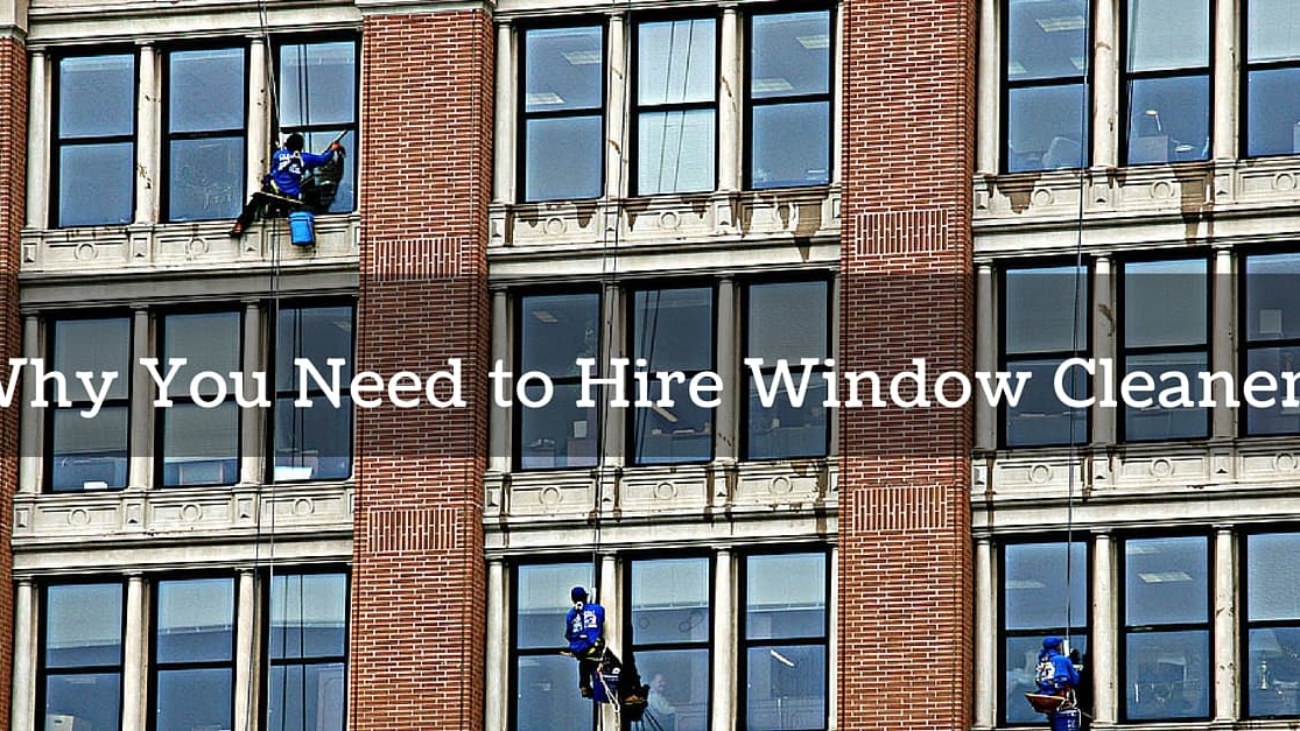
Why You Need Professional Window

Why You Need Professional Window Cleaning

Why Clean Your Windows?

No matter what business you’re in, appearances matter. The way your business presents itself says a lot to your current customers and prospective clients. You keep your place of business organized and you don’t make sloppy mistakes in your work. You should show the same level of dedication to keeping your building clean, especially your windows.

Dirty Glass DoorDirty windows with streaks and smears stand out. In a bad way. You don’t want your customers to see them. And you also don’t want your team members to work while looking at smudgy windows. Your employees will feel less valued if they’re working in an unclean space (and they can even get sick from it).

Show your dedication to and respect for your customers and your employees. Keep your windows clean!

Keep reading and we’ll talk about how how professional window cleaners work, guidelines for how often your windows should be cleaned, and how you can pick the right professional window cleaner for you.

How Professionals Clean Windows

You’ve cleaned your windows at home. Windows are windows right? What does a professional window cleaner do differently

They’re experienced! A professional window cleaner cleans more windows in a week than most people will clean in their lifetime! They know how to work quickly and efficiently. You’ll be amazed at how fast professional window cleaners work while still making sure your windows are spotless.

Professional window cleaners have access to tools and equipment that most people don’t. They’ll have extra-long-handled brushes and cleaning supplies that are needed for cleaning the tall windows found in many office buildings, hospitals, banks and other commercial spaces. They’ll also know just the right tools and supplies to use when cleaning your windows.

At Cascade Building Services, for example, we use an eco-friendly and biodegradable cleaning solution! We’re always looking out for the environment!

How Often to Clean Windows?

How often to enlist the help of professional window cleaners is a tricky question and the answer is, “it depends.” One factor to consider is the number of windows you have. The more windows, the more noticeable dirty windows will be and the more frequently you’ll need to have them cleaned.

Also consider the climate. Rainy weather in Portland doesn’t actually clean your windows! In fact, it can make them more dirty by leaving behind tiny particles of dirt that build up over time. And during the spring, the Northwest is known for its pollen, which can accumulate on all exterior windows.

If your building is near a major road or highway, you’ll need to clean more frequently, as car exhaust and other particulates in the air can build up a layer of grime on your windows.

Below, you’ll find my general recommendations for how often you should have your windows professionally cleaned. If you’ve got questions, get in touch, I’d love to tell you more.

Hospitals

Hospital Building

Depending on the size of your hospital or clinic, you’ll need professional window cleaning services about once a month. Windows on the ground floor, or those in an exam room, or a patient’s room might need cleaning a bit more often to keep them spotless.

Banks

Modern bank buildings tend to have lots of windows. That means there’s a lot of surface area that can get dirty and need cleaning. That’s why I think that most banks need to have their windows cleaned at least twice a year. Depending on climate and other factors, you may need to have some windows cleaned more frequently than others.

Office buildings

Office Window with a view

A good rule of thumb is that an office’s windows should be thoroughly cleaned twice a year. However, monthly touch-ups, especially for your lobby, conference rooms, and other areas that clients spend lots of time in, are a good idea.

RestaurantsRestaurant

Restaurant windows get dirty fast! They’ll need to be cleaned every two weeks, both inside and out! Grimy, streaky, dirty windows are sure to make your customers want to eat someplace else. Take a look around on Yelp reviews for local restaurants. You’ll be amazed how often dirty windows are mentioned.

Retail stores
Retail storeJust like restaurants, clean windows are a surprisingly big part of customer satisfaction. They’re also key to making your store seem clean and inviting.

I recommend a monthly cleaning of all windows in your retail store, especially those that face the street where there’s lots of foot traffic.

Choosing a Professional Window Cleaner

Pro Window Washer

If you’re thinking about having your office, warehouse, store, condominium building, hospital, or bank’s windows cleaned, you’ve got a big decision to make. You need a window cleaning company that you can trust. Here’s what you should look for:

Satisfied Customers

Look on Yelp, Angie’s List, or at a company’s Google Plus and Facebook page’s for reviews and testimonials. The most recent reviews will give you the best idea about how a window cleaning company is doing.

Look for Experience

You want a window cleaner who’s been in the business for years, not months! Less established companies may not be able to provide the best prices, or worse, they may go out of business, leaving you searching for a new window cleaner at an inconvenient time.

And less-experienced window cleaners might not know all the tricks of the trade and might make mistakes when it comes to cleaning your windows.

At Cascade Building Services, we’ve been cleaning windows since 1961! We’ve seen it all and cleaned it all!

Talk to the Companies You’re Considering

Once you’ve narrowed your choices down to a few local window washing companies, give them a call. Ask them to come out and look at your windows. Here are a few questions you can ask to help you learn more about whether they’re the right choice for you:

  • What tools do they use?
  • Do they clean only windows or can they provide other cleaning services, too?
  • When cleaning windows do they also clean the sills, ledges, and tracks?
  • Can they provide you with references?
  • Do they clean at night or only during the day?
  • Do they work weekends?
  • How long will it take to clean your windows?
  • What areas do they service?

And of course, get their offer or quote in writing.

Conclusion

Your windows say a lot about your business. That’s why it’s so important to keep them clean. And there’s no better way to keep your windows clean, than to set up regular cleanings with an experienced, professional window cleaner.

Do you need commercial window cleaning services in the Portland, Oregon area? We’d love to get to know you! Contact us today.

Or you can always see if this little guy is available:


Photo Credits: Lynn Willis, Jaysin Trevino, Roger W, Doc Searls, Random Retail, Mike Mozart, Chucka_nc,


darrenAbout the author Darren

Darren is the owner of Cascade Building Services. He earned his Bachelor of Science Degree at Lewis and Clark University. He used to work in sales for General Mills. In his spare time, you can find him in the great outdoors camping and boating.
do sustainable cleaning products work

Do Sustainable Cleaning Products Really Work?

When people talk about cleaning products, there’s a common misconception that harsher chemicals clean more effectively. That’s not true; good sustainable cleaning products are extremely effective.

But if both sustainable and traditional cleaning products will clean your workplace effectively, why should you bother with the sustainable ones?

Because the chemicals found in most cleaning products aren’t just bad for the environment, they’re dangerous for your health too.

Ask yourself: Are toxic chemicals that put you at risk any better than dirt? Not if you ask us! Luckily you don’t have to choose one or the other. There are many sustainable cleaning options that are safe for your health and will get your business sparkling clean.

Why Are Traditional Cleaning Products Dangerous?

Traditional cleaning products that contain toxic chemicals can be dangerous for two main reasons:

droplets fountain water birdThey’re bad for the environment.

Toxic cleaning products don’t just sit around in your office. They frequently end up in the waste stream. From there, they can leach into our soil and drinking water.

That means we drink water with small amounts of nasty chemicals like perchloroethylene, ammonium hydroxide, and butyloxy ethanol — not to mention good old fashioned bleach! (Don’t worry, I’ll explain what all those chemicals are in the next section.)

They’re bad for you.

You know the chemical smell you’ve probably noticed after your space gets cleaned? The smell of a new car? The scent of a recently cleaned bathroom? That dry cleaning smell?

Those smells are the result of chemicals from cleaning products being released into the air and into your body. Eventually, the smell goes away, but until then, people in the area are breathing in potentially dangerous fumes with negative health side effects.

What Chemicals Are in Traditional Cleaning Products?

A few of the most important chemicals you’ll find in many cleaning products are:

Believe it or not, all those chemicals are found in common carpet cleaners. Carpet cleaners are some of the most important cleaning products to be wary of, because they often contain a lot of harsh chemicals.

walking on clean carpet

Traditional cleaners will kill germs and dirt in your carpet, but they may also do damage your body in the process.

What Are the Sustainable Cleaning Alternatives?

Most sustainable cleaning products are made of plant-based ingredients, less harmful chemicals, and plain old water!

essential oils natural sustainable cleaningA few things you might see on the ingredients list are:

  • White vinegar
  • Baking soda
  • Low concentration hydrogen peroxide
  • Essential oils
  • Castile soap

Not only are these solutions safer for you and better for the environment, they’re also extremely effective cleaners!

Let’s see why.

How Do Sustainable Cleaning Products Work?

At Cascade Building Services, we use sustainable cleaning products to clean carpets, windows, and just about everything else in your workplace. We use eco-friendly, citrus-based cleaners with no toxic chemicals or irritants.

One of the most common questions we get is:

“How is it possible to clean a carpet with a citrus-based cleaner?”

Good question! Carpets can be hard to clean, especially if it’s been a while. When you hire a professional carpet cleaner, you want to make sure you’re getting a thorough cleaning without dirt, moisture, or cleaning residue left behind. Here’s how it works:

Our proprietary process uses something called ion-exchange to separate and remove microscopic particles of dirt and other gross stuff from your carpet. The citrus-based cleaning solution we use for this process is completely biodegradable, nontoxic, and leaves behind absolutely no residue! Plus it won’t smell like chemicals when you come into work the next day.

grey luxury carpet silver

You should know: Some cleaning services will say they offer “steam cleaning” — a method which shoots water into the carpet and can take up to a few days to dry. That’s why we prefer our ion-exchange method. It dries in only a few hours, so you can get your carpet cleaned on a weeknight and come into work the next day!

The Cascade Building Services Promise

Eco-friendliness and sustainability are important to us. So is the health of our clients. At Cascade Building Services, we’ve made a commitment to using only products that:

  • Deliver exceptional results
  • Ensure a sustainable workplace
  • Are free from harmful odors and toxins
  • Improve indoor air quality
  • Help us provide the cleanest, safest work environment while minimizing our carbon footprint

Our goal is to improve air quality, recycle as much as possible, and reduce waste without sacrificing cleanliness and sanitation.

If you’re interested in an effective and sustainable cleaning solution for your workplace, contact us for a free quote!

Essential oils photo: Abi Porter

Cleaning-Maintenance-Guide-for-Property-Managers

Cleaning & Maintenance Guide for Property Managers

Managing all of the units in an apartment complex or office building can be a logistical nightmare. With so many units occupied by so many different tenants with varying needs and reliability, it can be a lot to manage.

Luckily, we’ve put together this guide to help you manage your condo complex or office building so it is always in tip-top shape.


Evaluate the Individual Units Between Tenants

Good maintenance of office and apartment complexes starts with proper care of the individual units. While you can try as hard as possible to make sure a new tenant will take proper care of the space, the most you can do is make sure it is properly maintained between tenants. Not only will this help the space be more attractive to new tenants, it will encourage the new tenant to take good care of the unit.

Once the previous tenant has moved out, evaluate it for:

  • Damage to walls
  • Stains on carpets
  • Damage to large appliances like refrigerators or dishwashers
  • Cracked or dirty windows
  • Pest infestations
  • Mold

Fix the issues you find immediately. It will be significantly harder to fill the space if you don’t fix these problems. Potential new tenants will want to see a finished unit before signing a lease. Every day the unit is not occupied you are losing money.

After a tenant moves out, consider:

  • Repainting the walls
  • Replacing any damaged carpet or flooring
  • Changing the locks on the unit
  • Properly cleaning the unit


Ongoing Cleaning and Maintenance

People don’t want to live or work in an unclean environment. If you are managing a large apartment building or condo complex, there is a lot of space to clean. Managing this much cleaning, from floors to bathrooms, can be exhausting. Filthy surfaces completely filled waste baskets, and dirty bathrooms are unacceptable for a reputable space.

While your tenants will always have to perform some basic cleaning themselves, you are going to be expected to carry a lot of the heavy lifting, particularly in an office environment.

In addition to more basic janitorial services like cleaning bathrooms and emptying waste bins, there are other, more involved services to think about. Below, we’ve put some you will have to perform.

Floor and Carpet Cleaning

Walking on sticky, stained carpet or flooring is never an inviting prospect. It reflects poorly on a business’s image, and people do not want to see it when walking into their apartment building. Unfortunately, dirty floors are unavoidable.

Floors

Dirty floors reflect poorly on your business. Also, continuously unclean floors will have to be replaced much sooner, costing you more money in the long run to maintain.

For well-kept floors, you will need to do the following:

  • Seal and wax
  • Polish
  • Remove stains

Most floor cleaning companies will be able to handle everything from concrete to ceramic tile.

Don’t ruin your floors or leave a bad first impression with dirty floors!

Carpets

Often property managers think they need to replace their carpets when really all they need to do is properly maintain and clean them.

We recommend having your carpets cleaned twice a year to keep them looking great and not degrading. They will look nice, and last longer than uncleaned carpets.

Waste and Recycling Management

Waste management will be something you need to be on top of to ensure the cleanliness of your building. Trash build up will lead to unsanitary conditions on your property. The last thing you want to deal with are pests infiltrating your apartment building or office.

To keep costs down, pay particular attention to the management of recycling in your building. Good recycling management will lessen your building’s trash bill. Make sure to properly sign your recycling and empty the bins as much as possible to ensure your tenants participate in your recycling program.

Window Cleaning

Nobody likes looking out a window and seeing a smudgy, dirty view. While it may be relatively easy to properly clean the inside of your windows, ensuring the cleanliness of the outside can be a tricky task.

Window exteriors should be cleaned twice a year, and professionals should be hired for the task. It is dangerous to try to perform yourself, particularly on windows of buildings over a story high!

A Note On Cleaning Supplies

Tenants hate living in filth. They do not want to work and live in a dirty space. They also hate the constant smell of chemicals and feeling like they are breathing in dangerous fumes.

To ensure tenants and guests don’t feel like they are breathing in noxious fumes, make sure to use environmentally friendly cleaning supplies. Not only will this make your tenants feel better, it will be safer and better for the environment.


Common Rooms

Common areas are an often overlooked area of apartment buildings. Since no one tenant is responsible for taking care of the space, clutter and trash can build up in the room. It is also one of the main spaces guests and potential new tenants see when they enter the building, so it is particularly important to keep it clean. Make sure that the room is checked regularly for dirty dishes, left out items, and trash.


Landscaping

It doesn’t matter if you are managing an apartment building or office, there will be landscaping to be done. Landscaping projects an image for your building and is the first thing greeting your tenants or their guests when they are approaching your building. Make this space look beautiful!

A couple landscaping features needing maintenance:

  • Lawn or grassy areas
  • Bushes and hedges
  • Plants and flowers
  • Gutter cleaning


Trusted Cleaning and Maintenance Service Providers

While some property managers may be able to have employees on staff to help them clean and maintain their building, most do not. Property managers have a lot of tasks and need to be focused on managing the building, not maintaining it.

This makes hiring good people to clean and maintain your space crucial for a well-run building. Think about hiring companies for:

Since time is tight as a property manager, we recommend finding a company that can perform as many of these tasks as possible.


Let’s Talk!

Cascade Building Services can help with your janitorial and maintenance service needs.

Call Cascade Building Services today at (503) 691-0776 for a free, no-obligation quote. If you’re located in the Portland or Vancouver metro areas, we’d love to show how we can help with all your office or apartment building cleaning needs.

6 places germs hide in your office

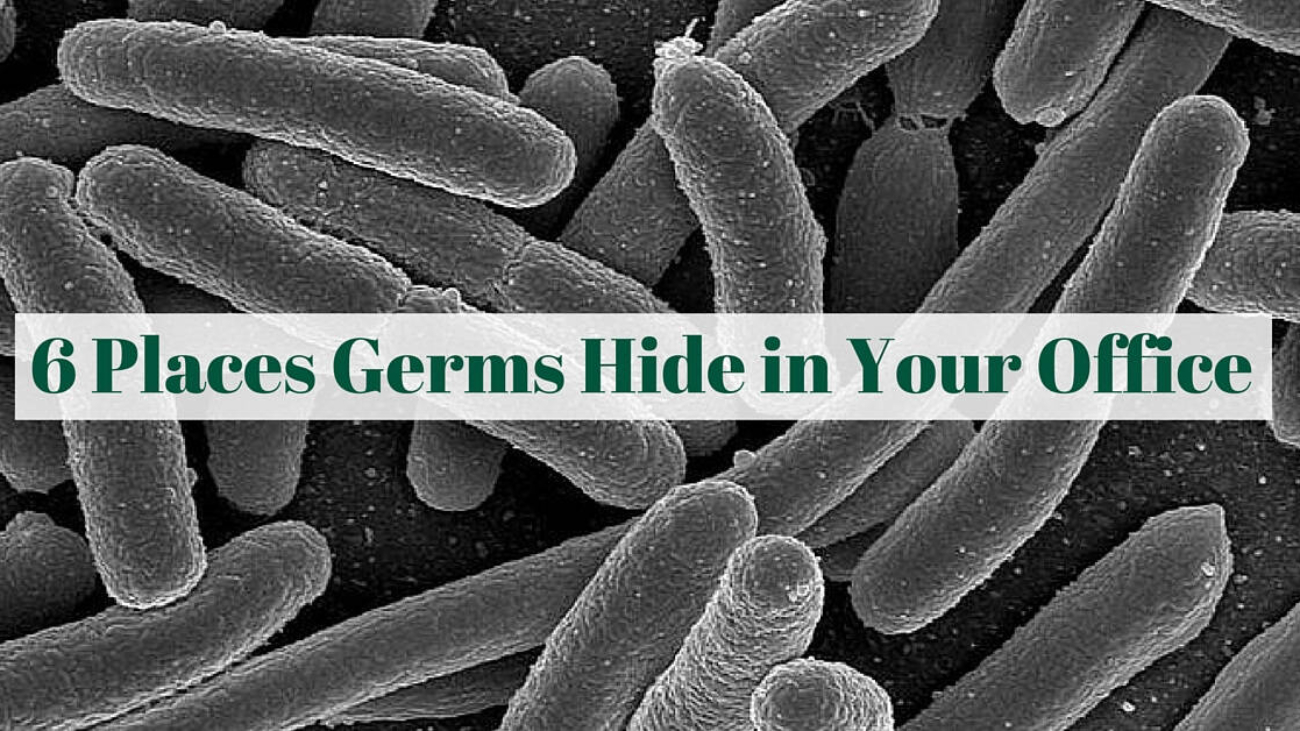
6 Surprising Places Germs Are Hiding in Your Office

Some contact with germs is inevitable, but most people don’t realize just how many germs can hide in a workplace environment. Your office may seem clean. Maybe the floors are swept, desks wiped down, bathrooms cleaned, and door handles disinfected. But germs often hide in unexpected places in your office.

Fact: 80% of infections spread via contact with contaminated surfaces (not coughing and sneezing).

In this post, I’ll explain some of the most germ-infested office items and places to avoid. The best and easiest way is to make sure your office has a top-notch janitorial service, but there are other things you can do on your own to keep yourself and your space clean and healthy.

Grab your hand sanitizer and get ready. Let’s get started.

What Are Germs, Anyway?

The technical definition of germs isn’t very specific. Basically, a germ is a very small living thing that causes disease. Fungi and viruses are types of germs, as are bacteria like E.coli.

Not all germs are bad. In fact, without certain healthy bacteria, our bodies couldn’t function. Unfortunately, not all the germs that hide in offices are healthy, and the bad ones are all mixed in with the harmless ones.

Here are a few places they tend to hide:

Coffee Mugs

office coffee mug

Did you know 1 in 5 office coffee mugs is tainted with fecal bacteria? When mugs don’t get thoroughly washed after every use, those bacteria can get passed on from person to person.

You might consider bringing your own designated mug and washing it every time you use it.

Your Desk

Statistically, your desk is probably dirtier than the office toilet — 400 times dirtier, to be exact. Your keyboard alone most likely harbors about 16 million microbes! Think about how often you…

  • Eat at your desk
  • Touch your desk after touching other potentially germ-infested items
  • Clean your desk (including your keyboard and mouse)

It’s a good idea to wipe your desk down every day with a disinfecting wipe.

The Phone

office phone germs

Photo: Martin Cathrae

Phones are even worse than desks. We’ve all heard how dirty our cellphones can get, but it turns out your office phone has the same problem.

Most office phones never (or very rarely) get cleaned, even though we touch them all the time. We handle them, press them up to our ears and hair, and even breathe on them. It’s even grosser if you’re not the only one that uses it.

Next time you wipe down your desk, don’t forget the phone.

The Water Cooler

Most people don’t imagine the water cooler getting dirty, but the truth is, most water cooler nozzles never get cleaned. Stationary water is a perfect breeding environment for germs, and they can live there for a long time.

Here’s the easiest way to clean the water cooler in your office.

The Copy Machine

If your office has a copy machine, it may be the single best place to share germs with everyone in your office.

Offices should keep hand sanitizer by the copy machine for employees to use when they’re done using it. If that’s not an option, try to wash your hands after you use the copy machine, or at least keep your own hand sanitizer at your desk.

PowerPoint Remotes and Other Shared Items

Conference rooms and everything in them tend to carry a lot of germs. Shared computers, PowerPoint remotes, and other communal items are likely to be harboring germs from throughout the office.

It’s a good idea to wipe these items down every day. If you can’t, then wash or sanitize your hands after using them.

wash your hands

Photo: Arlington County

How to Kill Office Germs Effectively

If you’re feeling grossed out — and maybe a little paranoid — I don’t blame you. Ease your mind by remembering that it’s impossible to avoid 100% of germs. All you can do is do your best to be sanitary and healthy at work.

Here are a few tips for avoiding germs in the office:

Wash your hands often, especially after using the restroom, after using communal items and spaces, before and after a meal, and every time you cough, sneeze, or blow your nose.

Carry hand sanitizer for those times you aren’t able to wash your hands.

Wipe down surfaces regularly with disinfecting wipes. You can also use a disinfecting spray, but don’t wipe it off. You need to let it dry for it to be effective.

Bring your own water bottle and mugs and wash them regularly.

Stay home from work if you’re sick. It’s almost impossible to avoid spreading germs, even if you try. Did you know that, on average, one person with a virus will infect 50% of all equipment and employees in their vicinity within 4 hours?

Avoid stair and escalator handrails if possible. You might be touching food, E.coli, urine, mucus, feces, or even blood, according to University of Arizona microbiologist Dr. Charles Gerba.

Don’t bother with antibacterial soap. It’s not any more effective than regular soap. In fact, overuse of antibacterial products contributes to antibiotic resistance, which is a serious concern worldwide. Traditional soap will do the job just fine.

At Cascade Building Services, we use environmentally safe, eco-friendly cleaning products that are free from harmful odors and toxins. To learn more about how Cascade Building Services can help keep your office clean, safe, and healthy, contact us online or give us a call at (503) 850-0710.

how-to-clean-your-office

7 Ways to Make Your Office Shine

Can a cleaner office make you happier, healthier, and more productive? You better believe it!

The appearance of your office makes a lasting impression on both clients and visitors, but don’t overlook the fact that you’re the one who spends the most time there. You and your employees will be the ones who benefit most from a clean office environment.

This post will tell you how to whip your workplace into shape. But first, let’s look at why cleaner really is better.

Why Keep the Office Clean?

Most of us have a nagging feeling we should be keeping things cleaner, but don’t know why.

According to research from Princeton University and UCLA, we get that feeling for a reason. Clutter not only reduces our ability to focus, it also makes us feel frustrated, guilty, and stressed out.

Would you believe that 82% of the workforce feels they would work harder in a cleaner office? And that 60% of work-related illnesses result from dirty office equipment? It’s true!

Ready to make your office shine? Whether you work in a one-person office or a multi-floor building, these 7 tips will help you get your office clean and keep it that way.

1. Declutter & Organize

desk organizer

It’s hard to give any space a thorough cleaning without clear surfaces. Getting rid of clutter is step one.

When it comes to clutter, desks are usually the biggest culprits. Here are some tips for organizing your office’s most-used surfaces:

  • Start by throwing away anything you don’t need. Be ruthless!
  • Get desk or drawer organizers for things like papers, unread pieces of mail, sticky notes paperclips, and pens. Here are some creative ideas to get you started.
  • Designate a junk drawer for the miscellaneous items you aren’t ready to throw away just yet.
  • Consider a traditional filing cabinet if you have a lot of papers and enough floor space to fit one.
  • If you’re environmentally conscious and you’re up for a bigger project, go paperless. Start scanning documents for long term digital storage. A bonus is that depending on the scanner you use, your documents may become searchable too!

2. Rearrange the Furniture

office furniture arrangement

Photo: Loozrboy

A good furniture arrangement won’t actually make your office cleaner, but it can make your office feel cleaner.

Functionality is priority number one. Make sure there’s enough open floor space for you and everyone else to move around without getting in each other’s space or squeezing between furniture. A good layout looks looks balanced when viewed from the doorway.

Simply leaving enough space between desks and office equipment can make the room look bigger and more organized. If you really want to switch it up, try one of these creative tips or experiment with feng shui.

3. Get Some Indoor Plants

office potted plant

Flowers and potted plants can make a bigger difference than you might think. Not only do they look nice, plants purify the air, contributing to a healthier, more refreshing office space. Believe it or not, plants have even been shown to make people happier.

Tip: Researchers found that flowers in particular can increase productivity and creativity, so bring on the bouquets!

4. Let in Some Natural Light

windows natural light office

A little sunlight can really brighten an office. Throw back the curtains or open the blinds to make your space more inviting.

The benefits aren’t just aesthetic. A 2012 study showed that employees who were exposed to natural light during work hours slept better at night and came back to work less tired and more refreshed, which made them more productive workers.

5. Get rid of Gross Smells

garbage trash bag

Photo: theilr

Some of the biggest office turn-offs are things you can’t see. Even the best looking office will feel dirty if it smells bad. How can you eliminate unpleasant odors?

If the weather’s nice, crack a window. The fresh air will make you feel more energized and awake.

  • Buy a trash bin with a tight-fitting lid and empty it regularly.
  • Keep old food off your desk and clean all dirty dishes before you leave the office for the day.
  • Go through the office fridge periodically to make sure there are no forgotten lunches lurking in the dark corners.

Some unpleasant odors will stick around even after you’ve done everything you can to get rid of them. If that happens to you, our professionals can help you get rid of lingering bad smells. We don’t use toxic chemicals, which can leave a different kind of unpleasant and unwanted smell behind.

6. Disinfect Surfaces and Things You Touch

clean computer keyboard mouse and phone

Germs accumulate everywhere in offices. Think about how many hours you spend in the office each week. Then multiply that by the number of coworkers you have. That’s a lot of opportunity for germs to be spread around and to be transferred from person to person.

And it’s not just the bathroom that should be cleaned regularly. Grab some disinfectant and wipe down your desk, computer, keyboard, mouse, and phone. Phones get especially dirty if more than one person in your office uses the same one.

You’ll also probably want to do a thorough cleaning of the kitchen area regularly.

7. Make a Cleaning a Regular Activity

pen calendar to do checklist

Now that your office is sparkling clean, you probably want to keep it that way. Try creating a chore chart with the tasks you want to accomplish each week, including cleaning the bathroom, taking out the trash, and wiping down dirty surfaces.

Keeping an office clean can feel like a full time job — especially if you have a bathroom and kitchen to deal with. If cleaning is taking too much time away from your work, it might be time to hire a professional janitorial service.

Ready to get your office sparkling clean? Contact us for a free estimate! If you prefer, we can even clean your office at night when you’re not there.


darrenAbout the author Darren

Darren is the owner of Cascade Building Services. He earned his Bachelor of Science Degree at Lewis and Clark University. He used to work in sales for General Mills. In his spare time, you can find him in the great outdoors camping and boating.

how to create a dog friendly office

How To: Create a Dog-Friendly Workplace

In the Portland area, attracting and retaining top talent can be a challenge for any company. Great people have great options. What can you do to make your company stand out?

Surprisingly, it’s often the little things that make a big difference in employee satisfaction and happiness.

A growing trend among some of the fastest growing businesses in the Portland area is offering employees the opportunity to bring their furry friends to work. In today’s post, we’ll talk about best practices for creating a dog-friendly office environment.


How Does a Dog-Friendly Office Improve The Bottom Line?

Recent research suggests that having a dog-friendly workplace is more than just a nice perk. It can also:

Your employees will be happier, more productive, and more engaged with their work!


Remember: It’s Not Just About The Dogs

If you’re thinking about allowing dogs into your office, remember that your first concern should be for the happiness and safety of all your employees– not just those who have dogs. Consider an anonymous survey to determine if any employees are strongly against the idea before making it a policy.


Job Interviews & Private Offices Aren’t Just For People

Just like you wouldn’t let any person work in your office, not every dog will be a good fit either. If an employee wants to bring his or her dog into work, schedule a “doggie interview” where your team can judge the dog’s temperament and behavior.

Use an objective grading system to determine whether a particular pooch is a good fit for your office. Questions to ask may include:

  • Does the dog bark?
  • Does the dog obey commands?
  • Is the dog-friendly around other dogs?
  • How does the dog interact with other humans?
  • Does the dog require excessive attention?
  • Can the dog handle being in the office all day?

Consider a probationary period with all new office dogs before making them “permanent staff.” In fact, many offices do a “test run” of the dog-friendly policy to see how it works out and before making lasting changes to their office policies.

Your human employees often need a quiet place to meet or think when working on a difficult project. Similarly, even the best behaved office dogs may need a space of their own to relax in when they get overwhelmed.


Set Boundaries

Remember, the dogs don’t make the rules: you do! Any successful dog-friendly office policy will include plenty of boundaries. You may want to:

  • Only allow dogs above a certain age– not rambunctious puppies, no matter how cute!
  • Prohibit feeding dogs human food in the office, it can be a slippery slope to bad behavior!
  • Allow dogs only on certain days of the week.
  • Prohibit dogs on some days– like when clients are visiting the office.
  • Only allow dogs in certain rooms or offices. Maybe make the break room a dog free space, for example.


Provide Toys, Treats & Supplies

Like you best human workers, office dogs need stimulation to be happy! Consider investing in quiet toys they can play with, treats they can eat, and other supplies that the dogs might need.


Share Chores & Responsibilities

Some dog-friendly workplaces encourage workers to share chores. Others may require each owner to be responsible for only his or her own puppy. You need to decide what will work best for your office and your team. A few jobs to assign might include:

  • Making sure there’s fresh water
  • Cleaning up after “accidents”
  • Walking the dogs


Brag On Social Media!

The interns are very excited about Donut Wednesday 🍩 At least one of them is, per usual

A post shared by Shortcake (@theladyshortcake) on

When talented people are looking for a new job, they have plenty of options and often look for a relaxed, fun work environment.

So make sure you post about your dog-friendly culture on social media platforms like Instagram and Facebook! Update your company’s About Page to included pictures of your favorite CCOs (Chief Canine Officers)! It’s a great way to build your brand and attract the best available talent when hiring.

I mean just check out #officedog on Instagram! How cute is that!?


Plan Outdoor Adventures!

Photo Credit: Michael Lin on Flickr

In Portland, we’re never too far away from a great park! Let your dogs (and employees) take a trip into the great outdoors by visiting one of Portland’s amazing dog parks! They’re located all over town– and many have off-leash areas just for dogs!


Keep Your Office Sparkling Clean!

If you’re investing in your employees by creating a dog-friendly office, make sure you don’t neglect the cleanup!

Let’s be honest: even the best-behaved dogs make messes and leave smells behind. Hair, fur, drool, muddy paws, and just that “wet dog” smell are all too common in dog-friendly offices that aren’t committed to staying clean.

A dirty, smelly office isn’t just one that’s no fun to work in, it can also make your employees sick and reduce their productivity!

At Cascade Building Services, we can help! Our experienced janitorial staff can visit your office as often as needed and handle:

  • Floor & Carpet Cleaning
  • Window Cleaning
  • Trash & Recycling
  • And much more!

Our teams use eco-friendly green cleaning solutions that are safe for both people and pets! There are no harsh fumes or toxic by-products left behind.


More Tips For Creating Your Dog-Friendly Office Policy

Making your office dog-friendly is a big step and one that shouldn’t be taken lightly. It’s important to protect yourself and your business as well. Many businesses require employees to sign a waiver to protect the business from liability.

We recommend you work with your business lawyer to draft an agreement that meets your needs. You’ll also want to check and make sure that your business insurance policy (or office lease) allows dogs in your workplace.


Further Reading:

If you’re excited about making your office more dog-friendly, check out a few of our favorite articles and get inspired!


Need Help Cleaning Your Dog-Friendly Office?

Cascade Building Services is here to help! We clean offices throughout the Portland metro area and specialize in large office buildings. Give us a call at (503) 691-0776 or contact us online. We’ll visit your office and create a custom cleaning package just for you!

paper in garbage recycle

How to Encourage Recycling at Work

Want to get on track with recycling at your business?

Various metro areas and counties in and around Portland require businesses to meet certain recycling requirements. But following those requirements isn’t always easy for people who are busy helping customers and running their business.

Even the best-intentioned office recycling initiatives sometimes fail.

If you want to meet your area’s recycling requirements and do your part to help the environment, this post can help. We’ll look at the main reasons why many recycling plans fail. Then I’ll tell you how to set up a recycling system that will work for your business.

What Are Your Recycling Requirements?

Each area has its own recycling regulations for businesses. For example, the Portland metro area explains it’s recycling requirements here. And you’ll find Washington County’s similar recycling requirements here. A quick Google search should turn up results for other areas.

Here’s a helpful guide showing what to recycle and how. It’s for Portland, but it’s a helpful resource for pretty much any Greater Portland area business.

Most areas that have business recycling requirements expect businesses to:

recycling-bin-office

    1. Give employees the opportunity to recycle
    2. Recycle paper and containers (i.e. metal cans, plastic bottles and tubs, and glass bottles and jars)
    3. Sort and separate recyclables correctly (glass is almost always collected separately from other recyclables)
    4. Set out materials for recycling collection

If that sounds a bit overwhelming, don’t worry. Almost every city and county lists a help number on its website, where you can get your questions answered. I’ll also give you a list of more resources to help you at the end of this post.

Sometimes, it’s easier and more cost effective to hire a company that offers commercial recycling services to manage your recycling program. For example, at Cascade Building Services, we know all the regulations and can keep everything running efficiently.

Contact us to learn more, or keep reading for our tips on how to manage your recycling program on your own.

Getting Started: the Logistics

It’s important to know where you’re starting from. Especially if you’re a large or medium-sized company, getting everyone on track can require a bit more planning and coordination. Before you start a recycling plan, find out…

  1. How much is the business currently wasting?
  2. How much of that is paper? Plastic? Metal? Glass? (For most businesses, paper is by far the biggest culprit.)
  3. How much of that waste do you think you can realistically expect to recycle over the next year (or whatever timeframe makes sense for your business)?

Answering those questions will help you figure out what resources you need to make your recycling plan work. If you’re not sure where to start, talk to your janitorial service. They probably have a good sense for your recycling needs already.

You’ll also probably need to contract with a recycling hauler in your area to arrange regular pickups.

recycling-pick-up

Photo: atramos

Encourage Your Employees to Recycle

Why is it so hard to get people to recycle?

Despite the fact that recycling can reduce your trash bill and help the environment, businesses still send over 100,000 tons of recyclable paper and containers into landfills in an average year. Why is that?

People usually turn to the trash can when…

  1. There’s no recycling box nearby
  2. They aren’t sure what can be recycled and what can’t

That’s why it’s not enough to just convince people that recycling is important. You have to make recycling easy — so easy there’s no reason not to do it.

Once recycling is easy, it becomes a habit instead of a chore.

Have Enough Recycling Receptacles

The goal is to make it just as easy to recycle as to throw something away. That means making recycling boxes as easily accessible as your garbage cans. Depending on how much paper recycling your company generates, that might mean having a recycling box next to every garbage can. If you work in Portland, you can order free recycling boxes here.

Make sure you have paper recycling containers:

  • Near printers and copy machines
  • Near areas with a lot of desks

Consider putting aluminum and plastic recycling containers:

  • In the lunchroom
  • Close to vending machines

Show What Can Be Recycled and Where

recycling containers psu portland

Photo: Samuel Mann

When it’s not clear whether something is recyclable or not, many people’s first instinct is to toss it in the trash.

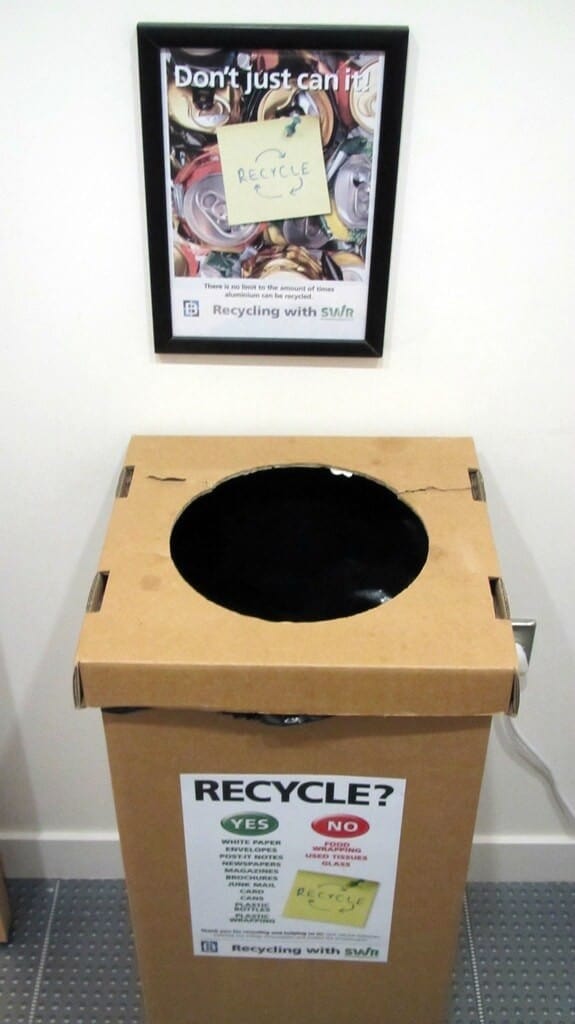
Make it easier for your employees by placing posters above recycling receptacles that show what should go in each one and what shouldn’t.

Lead by Example

If you and other company leaders make a point to recycle, it makes it easier for everyone else to follow your example. That’s why it’s so important for larger companies to get leaders from each department on board to make sure the recycling process is running smoothly in each department.

Make it Fun

There are some pretty mind-blowing statistics about recycling out there. Hearing them can make recycling fun. It also helps people see exactly where they are making a difference when they throw those papers in the recycling instead of the trash.

Here are a few:

  • Recycling one ton of paper saves about 17 trees.
  • You could power a computer for  three hours with the energy you save from recycling one aluminum can.
  • Recycling aluminum requires 95% less energy than processing new aluminum.
  • Recycling one plastic bottle can save enough energy to light a 60W bulb for up to six hours.

Why not put together a list of fun recycling facts and turn it into a company-wide email or even a bathroom poster?

You might even call attention to certain recyclable items you know people use a lot. Did you know you can recycle a Starbucks cup, lid and all?

recycle starbucks cup garbage bin

Photo: Krystian Olszanski

Resources to Encourage Recycling

Putting together a successful recycling plan can seem complicated, but it doesn’t have to be. As promised, here are a few resources you can use to learn more about recycling regulations in your area and how you can encourage recycling at work in an easy, cost-effective way:

  • Recycle at Work — Find all kinds of tips and resources, and arrange for a specialist to come to your business for free to help you get started.
  • Free printable posters — Portland businesses can print these and place them near recycling receptacles to help employees out (available in Spanish and other languages).
  • How Do I Recycle? Common Recyclables – Not sure how to recycle weird materials like batteries, used oil, or light bulbs? Check out this resource from the EPA.

I hope this post helps you encourage more recycling at your business! If you’d like to know more about how we can manage your recycling program, or just have more questions, get in touch!


Photos: Sebastien Wiertz, Kai Hendry

facts-about-germs

10 Facts About Germs You Should Know

People miss 50 million days of work every year because of colds. See the period at the end of that sentence? One thousand germs could fit on it. Germs are tiny, troublesome, and everywhere.

This blog post will explain some of the most germ-infested items and places to avoid. Then I’ll tell you some best practices for keeping yourself healthy and making your space clean. And for janitorial services that rid your workplace of bacteria without using toxic chemicals, get in touch with us here at Cascade Building Services!

1. Never touch escalator handrails

In movie theaters, shopping malls, and other places, people cough or sneeze on their hand and then touch the escalator. You know what that means. “We have found food, E. coli, urine, mucus, feces, and blood on escalator handrails,” Dr. Gerba told Health.

Other germy public places include grocery carts, lemon slices, ketchup bottles, and restaurant menus. In restaurants, wash your hands after the server takes your menu back, and never let it touch your silverware, advises Prevention.

2. Your kitchen sink is dirtier than your toilet

“Get your mind out of the toilet,” the saying goes, but “Get your brain out of the kitchen sink” would be more accurate. According to CBS, “Your kitchen sink contains 100,000 times more germs than your toilet.”

kitchen sink washing sponge germs

Your toilet isn’t even one of the 10 germiest places in your home! In fact, the only extremely germy location in the bathroom is the toothbrush holder, due to its proximity to the toilet (and that people are more vigilant about toilet cleaning). The 10 dirtiest places in your home are as follows:

  1. Sponges and dish rags
  2. Kitchen sinks
  3. Toothbrush holders
  4. Pet bowls
  5. Coffee makers
  6. Faucet handles
  7. Pet toys
  8. Kitchen counters
  9. Stove knobs
  10. Cutting boards


3. Shaking off washable rugs, bed linens, and towels actually spreads germs

When you’re about to change the sheets or towels, sometimes people shake them out, knowing they’ll vacuum later. Except those germs, dirt, hairs, and flakes of skin go everywhere. Throw them right in the wash instead, or shake them off outside. This is especially true for bath mats, which live on the notoriously filthy bathroom floor. (Bonus tip: Don’t wash your bath mat, towels, or sheets with the rest of your clothes.)

4. You’re 100 times more likely to catch a cold on a plane

When hundreds of people sit close together in a confined space for hours on end, you end up sharing more than pleasant chit-chat. Almost everywhere in an airplane bathroom is teeming with bacteria. Even when you’re seated, you’re vulnerable to other passengers’ germs. Germs from a sneeze can travel 13 feet! Watch out if someone in front of you sneezes — here’s where those particles go on a plane:

germs sneeze airplane

Source: YouTube

Drink green tea, get enough sleep, and take other steps to boost your immune system before and after flying to stay healthy.

5. 1 in 6 men don’t wash their hands after using the restroom

More women wash their hands after using the bathroom compared to men (about 93% compared to roughly 85%). But the scariest part is that even though people wash their hands, 95% of people don’t do it correctly. You should lather up with soap and scrub for 15 to 20 seconds, which is as long as it takes you to sing “Happy Birthday” twice. But most people only wash their hands for 6 seconds. If you need motivation to scrub your hands for longer than a few seconds, keep in mind that 1 in 4 bathroom soap dispensers has fecal bacteria on it. Yuck.

6. Drinking fountains are the germiest places in schools

School drinking fountains have 800 times as many germs as school toilet seats! After drinking fountains, here are the dirtiest places in schools, in order: lunch trays, faucets, cafeteria plates, and computer keyboards. All of which are germier than school toilet seats. Keep a reusable water bottle with you instead.

7. 1 in 5 office coffee mugs are tainted with fecal bacteria

Your desk at work is dirtier than the office toilet — every square inch has about 21,000 germs. Women’s Health says you should clean your workspace with a disinfecting wipe every day. Shared items like office coffee mugs and PowerPoint remotes are also huge germ magnets. Dr. Charles Gerba, a University of Arizona microbiologist, told Women’s Health, “About 20 percent of the office cups contain coliform bacteria, which is related to fecal contamination.” Use a designated mug every day and wash it frequently with soap and hot water.

work station computer keyboard

8. Antibacterial soap isn’t any better than normal soap

You may feel safer and cleaner, but antibacterial soap isn’t any more effective at killing bacteria than plain ol’ regular soap. In fact, antibacterial soap can make your family resistant to antibiotics and superbugs. It can even contain triclosan, which can harm your endocrine system. Stick to the normal stuff.

9. Cell phones are 18 times dirtier than toilet handles

We’re constantly touching our phones — in fact, 75% of Americans use their phone in the bathroom! And yet no one thinks of washing their hands after using their phone (or cleaning the phone itself). So it’s not surprising that one in six cell phones has E. coli bacteria on it. To keep that iPhone from becoming an iGross, turn your phone off once a week and clean it with an antibacterial wipe.

iphone hand germs

10. The dirtiest key on an ATM pad is the Enter button

Researchers have found E. coli and flu viruses on ATM keypads, especially the “Enter” button, since it’s unavoidable. To keep germs away, use your knuckle instead, since it’s rarer to touch your face with your knuckles than the tip of your finger.

How to Kill Germs

Thoroughly grossed out? There’s hope. Wash your hands constantly, just not with antibacterial soap. UC Berkeley says this is when you should wash your hands:

  • Before a meal
  • Before and after you touch food (especially raw meat)
  • Before putting in contacts
  • After using the restroom
  • After you sneeze, cough, or blow your nose


And every week, use a bleach-free disinfecting wipe that contains alcohol to clean these commonly overlooked items: stove knobs, the kitchen sink, your toothbrush holder, computer keyboards, remotes, phones, and light switches. (With electronics, be especially careful not to get them wet with excess moisture.)

Or throw some of these things right in the dishwasher, like your kitchen sink strainer, toothbrush holder, refrigerator shelves, kitchen brushes, the soap dish, plastic kids’ toys, and some pet toys. Microwave sponges once a day for 2 minutes to kill germs.

But most of all, try not to freak out too much. Once you’ve done your best to be sanitary, accept that some contact with germs is inevitable.

For first-class janitorial services to keep your office clean and healthy, contact us at Cascade Building Services.


First Photo Source: Andy Bullock


darrenAbout the author Darren

Darren is the owner of Cascade Building Services. He earned his Bachelor of Science Degree at Lewis and Clark University. He used to work in sales for General Mills. In his spare time, you can find him in the great outdoors camping and boating.

how to choose office plants

How To Choose Office Plants

Indoor plants can beautify any office space. They even purify the air, creating a cleaner, healthier environment. Believe it or not, there’s evidence that indoor plants can actually make you happier too.

Unfortunately, some plants require more upkeep than others, and not every plant is suited to every office environment. How do you know which plants are right your office? It really depends on 3 factors:

  1. How much sunlight they’ll be exposed to (if any)
  2. How much maintenance you want to take on
  3. Whether you care about air purification or just appearance

Based on your unique situation and office conditions, let’s look at a few great options for office plants.

Best Plants for Offices with Little or No Natural Light

Office spaces without much natural light can really benefit from a little greenery! In fact, those offices may be the ones that need indoor plants the most. These lovely green plants thrive in darker conditions:

English Ivy

Photo: Derek Ramsey

Hedera helix (a.k.a. English Ivy) is easy to grow in almost any environment. It thrives in full shade but doesn’t mind some sunlight either. It purifies the air too. Studies have shown that it reduces mold, which helps everyone breathe easier — especially anyone with allergies.

English ivy looks great hanging in baskets or climbing up a trellis or pole. English ivy grows well in moist conditions, but it doesn’t like to sit in standing water or overly wet soil either, so be careful not to over-water.

Snake Plant

The snake plant may just be the perfect indoor plant. Sansevieria is one of the toughest and most tolerant plants you’ll ever find. It usually won’t wither even after being neglected for weeks at a time. It also doesn’t need much light or water.

Snake plants are also one of your best bets for air purification. They’re great for getting rid of toxins like formaldehyde and benzene.

Photo: Rhonda Fleming Hayes

Lemon Balm

Photo: color line

Lemon balm, or melissa officinalis, is a very versatile plant. It will grow in almost any soil and, though it prefers some sunlight, can survive happily in shade too. It’s very low maintenance, and experts recommend you don’t fertilize your lemon balm plant. Don’t forget to water it though!

As a bonus, lemon balm leaves produce a sweet lemon scent that will help freshen up your office in no time.

Spider Plant

Photo: David B. Gleason

Can you see why chlorophytum comosum has been nicknamed “the spider plant”?

This is another versatile option if you need a tough plant for a dark office. The spider plant does like some indirect light, but full-on bright sunlight isn’t necessary. These plants are easy to grow and hard to kill. Just make sure to let them dry out a bit between waterings.

They look great in a pot or hanging in a basket.

Best Indoor Plants for Sunny Spots

If you have a nice spot by the window for your plant, you might want something that thrives in natural light. Luckily, sun-loving plants are easy to find! Here are a few to consider:

Succulents and Cacti

Cacti and other succulents are great because they require sunlight and not much else. They aren’t your best option for air filtration, but you only need to water them a tiny bit about once a week. There are many different kinds of cacti and succulents available. Jade is one of the most beautiful and most resilient.

Rubber Tree Plant

Photo: Maja Dumat

Rubber tree plants (ficus elastica) are great for removing indoor air pollutants, but they do require the right conditions. Indoor rubber tree plants need bright, and indirect light that isn’t too hot. You might want to place it near a window with sheer curtains, for example.

Experts also recommend you water your rubber tree plant more during growing season and less during the dormant season.

Great Indoor Plants for Reducing Pollutants

Several of the plants we’ve already covered are great for air filtration: English ivy, snake plants, spider plants, and rubber tree plants. Here are a few more:

Peace Lily

Photo: Tahmid Munaz

Chances are you’ve seen the peace lily in office buildings, waiting rooms, and hotel lobbies. That’s because spathiphyllum is beautiful, extremely resilient, and doesn’t need much water or direct light. To make sure it thrives, keep it in loose, rich soil and water every few days as necessary.

Did you know the peace lily is also one of the best plants for ridding your office of toxic agents like benzene, formaldehyde, trichloroethylene, xylene, toluene, and ammonia? It’s truly one of the best air-filtering plants out there.

Philodendron

Photo: Cliff

This leafy green plant is extremely resilient and one of the best options for removing carbon dioxide and formaldehyde from the air. Studies show it can improve your cognitive function and focus at work.

Dracaena

Dracaena plants are another great option for cleaning your office’s air of pollutants like benzene, formaldehyde, trichloroethylene, and more.

Just make sure you look into the different varieties of dracaena before you make a purchase — some types are small and others can grow quite large.

Photo: Maja Dumat

Best Indoor Plants for Very Small Spaces

When space is an issue, you need plants that don’t take up too much room and won’t grow out of control. Or maybe people want small plants for individual desks, cubicles, or offices.

Air Plants

Photo: amy gizienski

Air plants are the ultimate low maintenance plant. They don’t need soil to grow, and you don’t need to water them — just mist them a few times per week! You can display them on rocks in jars, wine glasses, or terrariums (like the one above). They do need to be open to the air, though. The tillandsia is a great, durable option.

Water Lettuce

Photo: Scot Nelson

Pistia stratiotes, commonly called water lettuce, is another small plant that doesn’t need soil. As you might have guessed from its name, this plant loves water. It’s easy to grow floating in a vase or even in an open bowl with some decorative accessories.

African Violet

Photo: Wildfeuer

African violets (saintpaulia) are small, cute, and colorful — a wonderful option if you don’t have much space. They do need to be exposed to light and moisture to grow. To make sure your African violet gets the right amount of water, you might consider a self-watering planter pot.

Tips for Placing Plants

Where your place your plants can be just as important as which plants you choose. For example, if air purification is one of your goals, your best bet is to place several plants throughout the office. Back in the 80s, NASA did a study on air-filtering plants as a way to help keep the air in space stations clean. They found that efficient air cleaning is best accomplished with at least one plant per 100 square feet of space.

A few other tips to keep in mind:

  • Airflow is important for most plants. Give your plants plenty of “breathing room.”
  • Most plants prefer higher humidity than you’ll find in most offices. Keep them away from heaters and radiators.
  • If you turn down the heat or air conditioner on weekends, your plant may require a little extra care on Fridays before you leave.

Soon your office’s air will be as fresh as the outdoors! But what about the rest of your space? Get in touch with Cascade Building Services for janitorial and other commercial cleaning services in Portland. We’ll even use eco-friendly products so your plants stay healthy!

Young couple relaxing on the carpet

Why Use Green Carpet Cleaning?

Do you put bleach in your morning coffee?

Probably not.

That’s because you care about your health. Maybe you even buy organic food and use other natural products.

Green carpet cleaning, however, might not have occurred to you. But it should, and here’s why. Toxic cleaners can end up in the waste stream, and from there, leach into soil and drinking water. So using harsh chemicals on carpet is sort of like using bleach as coffee creamer. Gross!

Eco-friendly carpet cleaning is the answer.

For years, Americans used bleach and other harsh chemicals to clean our bathrooms, kitchens, and homes. Now consumers and businesses are catching on. Carpet cleaning shouldn’t leave strong fumes and chemicals in the air for people, kids, and pets to breathe. Keep reading to learn what’s toxic in most carpet cleaners, why green cleaning is better, and what ingredients are more eco-friendly.

Is Carpet Cleaning Toxic?

bad smell flickrWhat’s so bad about traditional carpet cleaning, you ask? Well, one telltale sign should be the smell. Any smell from a new product — that new car scent, or the strange odor of a new rug or mattress, or that dry cleaning smell — means it is offgassing. That’s when chemicals are released into the air, usually with negative health side effects. After traditional carpet cleaning, carpets smell…different. After a while, the smell goes away, but until then, people are breathing in potentially dangerous fumes.

One such dangerous chemical in conventional carpet cleaners is perchloroethylene, aka “perc.” The U.S. Environmental Protection Agency suspects perc causes cancer and harms your brain. According to one health magazine, “People who live in residential buildings where dry cleaners are located have reported dizziness, loss of coordination and other symptoms.” That’s because dry cleaners use perc — and so do conventional carpet cleaners.

Other harmful chemicals in carpet cleaner are naphthalene and butyloxy ethanol. These two outlaws can hurt the nervous system, liver, and kidneys, possibly causing cancer. Another one to avoid is ammonium hydroxide, which irritates the lungs, eyes, and skin because it’s corrosive. Yes, these chemicals help break down dirt in carpet, but they can also break down YOU!

What’s in Green Carpet Cleaning Solution? sleeping dog carpet

Green carpet cleaners are made of plant-based ingredients, less harmful chemicals, or simply water. Here are some common ingredients:

  • Diluted hydrogen peroxide
  • Baking soda
  • White vinegar
  • Essential oil
  • Castile soap 

How can plain old water clean carpets? It’s called oxygenation. Here’s how it works:

The secret is in oxygenated water bubbles created in a special apparatus with an oxygenation chamber. These oxygenated water bubbles go through a special cell. In the cell, electric current forms a stream of very charged alkaline and acidic water, which breaks down the dirt into small bits and washes it away from the carpet.

All these methods are safer and healthier than toxic carpet cleaning methods. Not only do they get carpet clean, but they promote better air quality and thus healthier people.

What Does Cascade Building Services Use? 

Many “natural” carpet cleaning services offer steam cleaning, which doesn’t actually involve steam at all. It’s an extraction method that shoots water into carpet, then sucks it back up very quickly. This method takes a long time to dry — sometimes days!

Here at Cascade Building Services, we don’t use the extraction method, but we don’t use toxic cleaners, either. We also avoid detergents that can sit in carpet after it’s been “cleaned” and attract more dirt. Instead, we use a biodegradable cleaning solution that doesn’t offgas or harm the environment. It’s a proprietary process that uses a citrus-based cleaner and ion-exchange to remove the microscopic particles that create stains and dirty paths in carpets.  It’s completely nontoxic and residue-free, leaving clean carpet behind — and nothing else. Plus, carpet dries within a couple short hours. Learn more about our green carpet cleaning in the Portland, Oregon metro area.

Interested in green carpet cleaning? Contact us for a free quote!

Bad smell photo: Sira Hanchana


darrenAbout the author Darren

Darren is the owner of Cascade Building Services. He earned his Bachelor of Science Degree at Lewis and Clark University. He used to work in sales for General Mills. In his spare time, you can find him in the great outdoors camping and boating.