Choosing a Commercial Cleaner

10 Questions to Ask Your Commercial Cleaners

Whether you’re thinking of switching from your current cleaning service or you’ve never worked with one before, choosing the right company can feel like a big decision. Taking the time to weigh your options and make the right choice can have huge benefits in the long run, including:

  • A better first impression for your business
  • Improved employee productivity
  • A healthier work environment
  • Fewer distractions and less stress for you

It’s all about asking the right questions. When you have one or two commercial cleaners you’re considering, ask them these 10 questions:

1. Do you offer all the cleaning services I need?
bank building portlandDo you need janitorial services, carpet cleaning, and window cleaning? Do you generate a lot of paper recycling you need someone to manage?

Make sure any company you’re considering does everything you need.

(You don’t want to hire 3 different companies when you could hire just one!)

It’s worth double checking each cleaning company’s answers with the services page of their website too.

2. What kind of cleaning products & supplies do you use?

This is a good question to ask, just to make sure the person you’re talking to is knowledgeable about the cleaning process.

It’s especially important if sustainability matters to you. In Portland and the surrounding areas, many businesspeople feel strongly about their impact on the environment. If that sounds like you, it’s worth finding a commercial cleaning service with the same philosophy.

At Cascade Building Services, we always use environmentally safe products without harmful toxins or unpleasant odors.

3. Can you clean at night or on weekends?

Part of the reason for hiring a commercial cleaner is to free up more time and energy for you to focus on business. You can’t do that if your cleaning company is constantly showing up during business hours.

At Cascade Building Services we work 24 hours a day, 7 days a week, 365 days a year. Our clients simply tell us the most convenient time for them, and that’s when we show up.
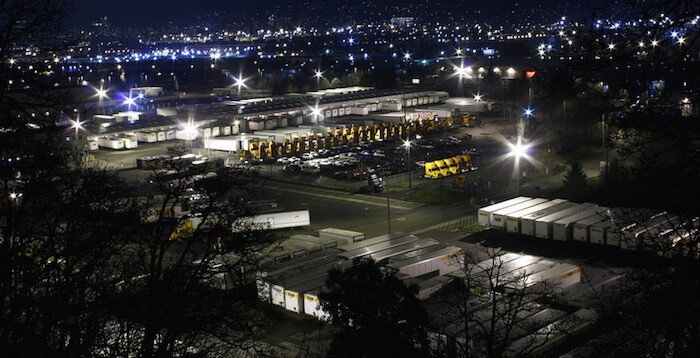
industrial area portland swan island

Photo: ienjoysushi

4. How long have you been in business?

There’s nothing wrong with being a young business — everyone has to start somewhere — but there’s a lot less risk for you when you choose a cleaning company who has a long history of doing quality work.

We’ve been serving the Portland area for more than 50 years. We’ve handled nearly every type of cleaning job out there and we have many good reviews from great clients to back it up… which leads to the next question:

5. Can you provide me with references?

Unless you’re the company’s first client, they should be able to put you in contact with at least one or two clients they’ve worked with in the past (or that they still work with!).

It never hurts to ask for references, even if you don’t actually call all of them. You might learn some valuable information that makes your decision easier.

It’s also a good idea to check each company’s online reviews on Google, Yelp, and their own website.

6. Will your employees clean my facility?

Some companies use day laborers instead of hiring their own employees. There’s not necessarily anything wrong with that, but it’s always nice to know when a company has loyal employees.

One benefit of choosing a company who hires its own employees? At Cascade Building Services, we have a professional staff of employees who wear uniforms and I.D. badges. Many of our employees have worked with us for over a decade! We perform a background check on everyone we hire and provide ongoing training.
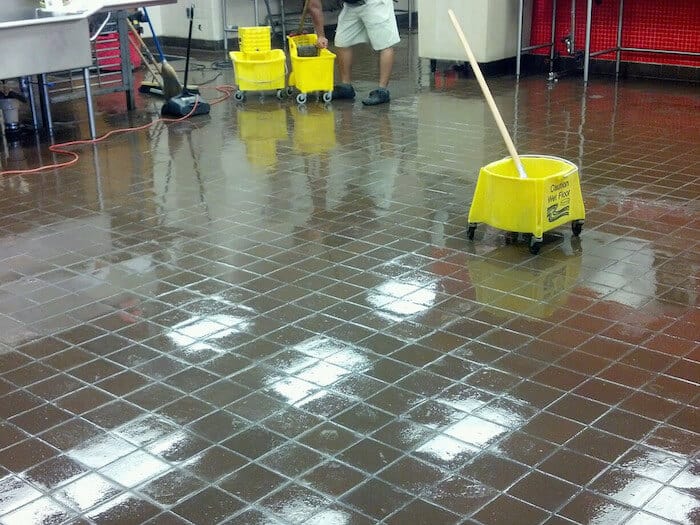
janitorial services employee traning

Photo: Sean Mulgrew

7. Do you work with other businesses in my industry?

Does the cleaning company have experience with businesses like yours? Can they handle the ins and outs of cleaning a space like yours?

If they have worked with clients in your industry, can they tell you which business(es)?

8. Will you have an ongoing contact person?

It’s important to have the name and number of a single person you know you can always contact — whether that’s the owner, an employee, or a customer service representative whose job is to make sure you’re getting the service you need.

There’s nothing more frustrating than sealing the deal with a salesperson and then having to climb your way through a phone tree once you’re actually working together.

9. Are they responsive and quick to get back to you?

This is more of a question to ask yourself. Does the company instill confidence that they’ll do what they say they’ll do? Do you trust them? Is it clear that getting back to you and answering your questions are top priorities?

If you answered yes, yes, and yes, that’s a good sign!

phone businessman

10. Can you give me a free quote or estimate?

Free quotes are a sign that a company is not only legitimate but believes in the work they’re doing. It’s also a sign that they respect their clients’ time and money.

My advice is that if a company won’t provide you with a free quote before you start working together, start looking for someone else.

Ready to get started? We’d love to give you a free quote.

Get a free quote from Cascade Building Services, or give us a call at (503) 691-0776 if you have questions.

Your Checklist

Want all these questions in one place? You can print this page and use this checklist of all 10 questions to ask you cleaners:

Cleaning Company Questions Checklist

Name of Cleaning Company: ______________________________________

  • ❑ They offer all the cleaning services you need.
  • ❑ They use safe (and possibly environmentally friendly) cleaning products.
  • ❑ They can clean at a time that’s convenient for you.
  • ❑ They’re experienced with a history of success.
  • ❑ They can provide you with references.
  • ❑ Their own employees will clean your facility (no day laborers).
  • ❑ They have experience working with businesses in your industry.
  • ❑ You will have an ongoing contact person.
  • ❑ They’re responsive and quick to get back to you.
  • ❑ They can provide you with a no-obligation quote or estimate free of charge.

Notes:



paper in garbage recycle

How to Encourage Recycling at Work

Want to get on track with recycling at your business?

Various metro areas and counties in and around Portland require businesses to meet certain recycling requirements. But following those requirements isn’t always easy for people who are busy helping customers and running their business.

Even the best-intentioned office recycling initiatives sometimes fail.

If you want to meet your area’s recycling requirements and do your part to help the environment, this post can help. We’ll look at the main reasons why many recycling plans fail. Then I’ll tell you how to set up a recycling system that will work for your business.

What Are Your Recycling Requirements?

Each area has its own recycling regulations for businesses. For example, the Portland metro area explains it’s recycling requirements here. And you’ll find Washington County’s similar recycling requirements here. A quick Google search should turn up results for other areas.

Here’s a helpful guide showing what to recycle and how. It’s for Portland, but it’s a helpful resource for pretty much any Greater Portland area business.

Most areas that have business recycling requirements expect businesses to:

recycling-bin-office

    1. Give employees the opportunity to recycle
    2. Recycle paper and containers (i.e. metal cans, plastic bottles and tubs, and glass bottles and jars)
    3. Sort and separate recyclables correctly (glass is almost always collected separately from other recyclables)
    4. Set out materials for recycling collection

If that sounds a bit overwhelming, don’t worry. Almost every city and county lists a help number on its website, where you can get your questions answered. I’ll also give you a list of more resources to help you at the end of this post.

Sometimes, it’s easier and more cost effective to hire a company that offers commercial recycling services to manage your recycling program. For example, at Cascade Building Services, we know all the regulations and can keep everything running efficiently.

Contact us to learn more, or keep reading for our tips on how to manage your recycling program on your own.

Getting Started: the Logistics

It’s important to know where you’re starting from. Especially if you’re a large or medium-sized company, getting everyone on track can require a bit more planning and coordination. Before you start a recycling plan, find out…

  1. How much is the business currently wasting?
  2. How much of that is paper? Plastic? Metal? Glass? (For most businesses, paper is by far the biggest culprit.)
  3. How much of that waste do you think you can realistically expect to recycle over the next year (or whatever timeframe makes sense for your business)?

Answering those questions will help you figure out what resources you need to make your recycling plan work. If you’re not sure where to start, talk to your janitorial service. They probably have a good sense for your recycling needs already.

You’ll also probably need to contract with a recycling hauler in your area to arrange regular pickups.

recycling-pick-up

Photo: atramos

Encourage Your Employees to Recycle

Why is it so hard to get people to recycle?

Despite the fact that recycling can reduce your trash bill and help the environment, businesses still send over 100,000 tons of recyclable paper and containers into landfills in an average year. Why is that?

People usually turn to the trash can when…

  1. There’s no recycling box nearby
  2. They aren’t sure what can be recycled and what can’t

That’s why it’s not enough to just convince people that recycling is important. You have to make recycling easy — so easy there’s no reason not to do it.

Once recycling is easy, it becomes a habit instead of a chore.

Have Enough Recycling Receptacles

The goal is to make it just as easy to recycle as to throw something away. That means making recycling boxes as easily accessible as your garbage cans. Depending on how much paper recycling your company generates, that might mean having a recycling box next to every garbage can. If you work in Portland, you can order free recycling boxes here.

Make sure you have paper recycling containers:

  • Near printers and copy machines
  • Near areas with a lot of desks

Consider putting aluminum and plastic recycling containers:

  • In the lunchroom
  • Close to vending machines

Show What Can Be Recycled and Where

recycling containers psu portland

Photo: Samuel Mann

When it’s not clear whether something is recyclable or not, many people’s first instinct is to toss it in the trash.

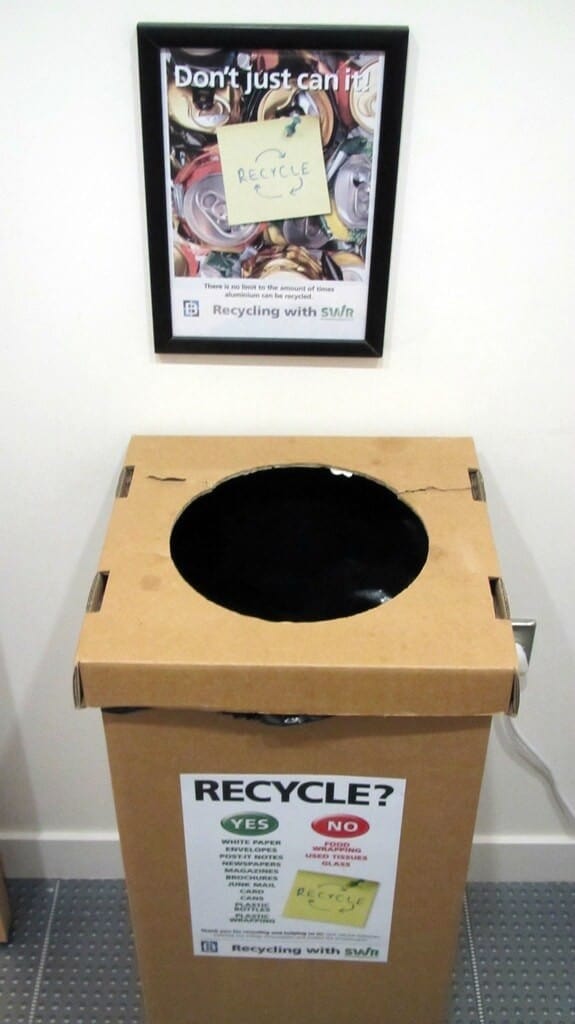
Make it easier for your employees by placing posters above recycling receptacles that show what should go in each one and what shouldn’t.

Lead by Example

If you and other company leaders make a point to recycle, it makes it easier for everyone else to follow your example. That’s why it’s so important for larger companies to get leaders from each department on board to make sure the recycling process is running smoothly in each department.

Make it Fun

There are some pretty mind-blowing statistics about recycling out there. Hearing them can make recycling fun. It also helps people see exactly where they are making a difference when they throw those papers in the recycling instead of the trash.

Here are a few:

  • Recycling one ton of paper saves about 17 trees.
  • You could power a computer for  three hours with the energy you save from recycling one aluminum can.
  • Recycling aluminum requires 95% less energy than processing new aluminum.
  • Recycling one plastic bottle can save enough energy to light a 60W bulb for up to six hours.

Why not put together a list of fun recycling facts and turn it into a company-wide email or even a bathroom poster?

You might even call attention to certain recyclable items you know people use a lot. Did you know you can recycle a Starbucks cup, lid and all?

recycle starbucks cup garbage bin

Photo: Krystian Olszanski

Resources to Encourage Recycling

Putting together a successful recycling plan can seem complicated, but it doesn’t have to be. As promised, here are a few resources you can use to learn more about recycling regulations in your area and how you can encourage recycling at work in an easy, cost-effective way:

  • Recycle at Work — Find all kinds of tips and resources, and arrange for a specialist to come to your business for free to help you get started.
  • Free printable posters — Portland businesses can print these and place them near recycling receptacles to help employees out (available in Spanish and other languages).
  • How Do I Recycle? Common Recyclables – Not sure how to recycle weird materials like batteries, used oil, or light bulbs? Check out this resource from the EPA.

I hope this post helps you encourage more recycling at your business! If you’d like to know more about how we can manage your recycling program, or just have more questions, get in touch!


Photos: Sebastien Wiertz, Kai Hendry